Best Hot Melt Glue Production Line Equipment Manufacturer
Tel: +8618138373963 | jctmixing@outlook.com

 JCT
JCT  2026-10-14


In the production of hot melt glue, it is common for materials to char, turn yellow, develop an off-odor, or have increased impurities. This not only affects the product's appearance but also leads to unstable viscosity, decreased coating performance, and even equipment blockage. The causes are usually not due to a single factor but rather the result of a combination of process and equipment design.
Hot melt glue systems are extremely sensitive to temperature. Uneven temperature distribution within the equipment can easily lead to hot spots in localized areas.
Common causes include:
Localized overheating can cause premature thermal decomposition of resins or additives, leading to charring.
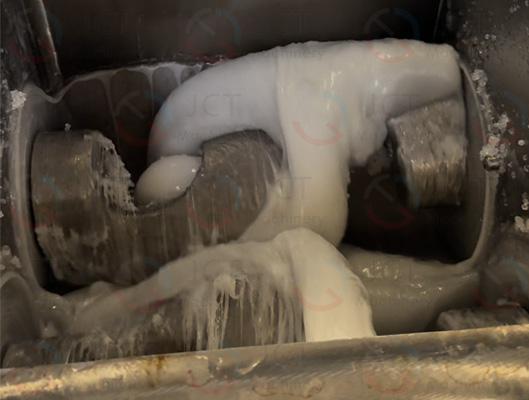
Hot melt glue is typically high-viscosity systems. If the mixer structure is incompatible with the material's characteristics, dead corners can easily form within the equipment.
The consequences are:
Materials that are heated for a long time are very prone to coking.
Some production lines experience slow response or insufficient control accuracy in their temperature control systems, resulting in:
For heat-sensitive hot melt glue systems, these factors significantly increase the risk of charring.
In intermittent production, if:
The residual material will be repeatedly heated in a high-temperature environment, gradually carbonize, and eventually mix into the new batch of products.
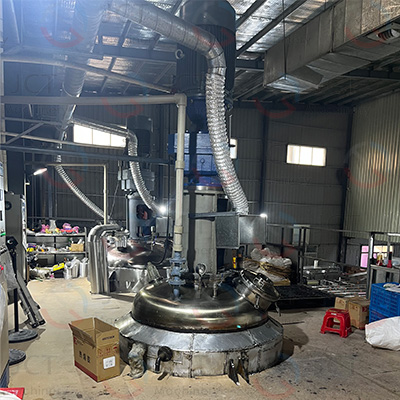
Once coking occurs, if:
Coking particles will continuously circulate within the system, leading to a vicious cycle and affecting the quality of the entire batch of products.
The charring problem in hot melt glue production is essentially a result of an imbalance between temperature, time and mixing efficiency.
Through proper process design and equipment selection, the probability of charring can be significantly reduced, improving product stability and production efficiency without altering the formula.
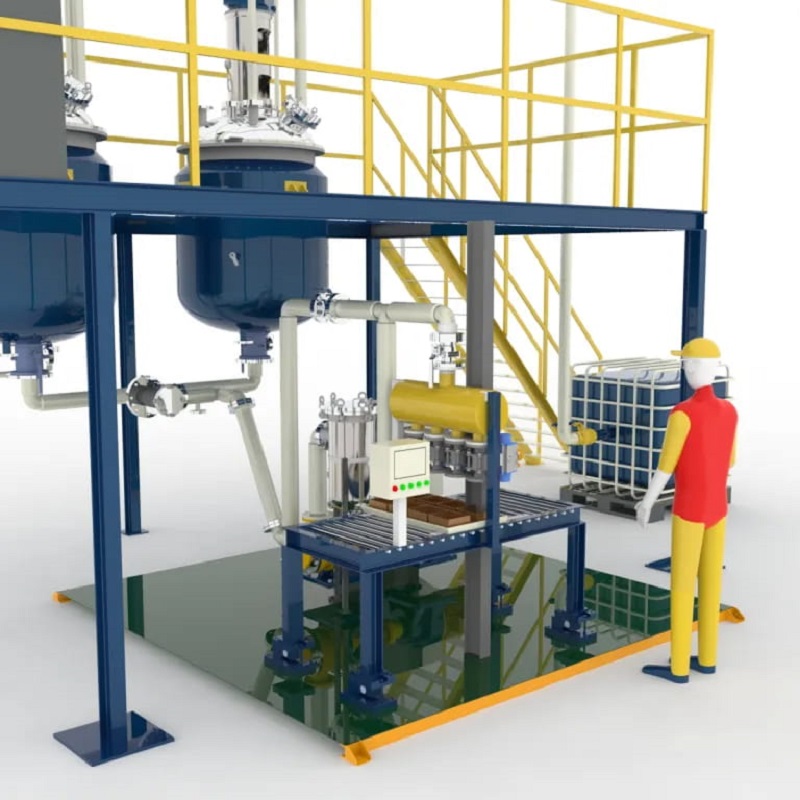
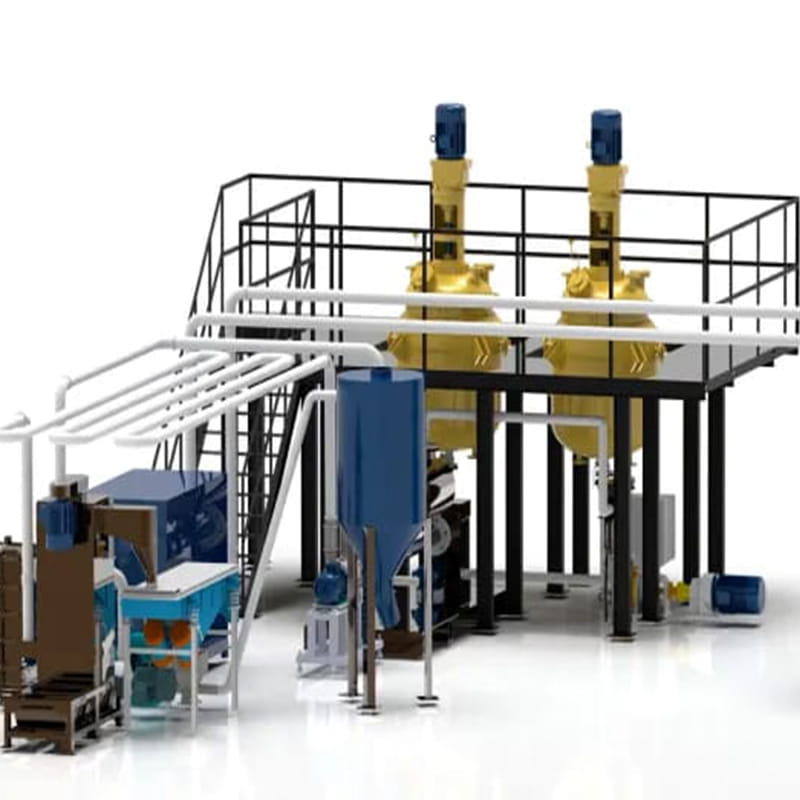
JCT can provide solutions, from process design to equipment configuration for the entire production line, based on the process characteristics of different hot melt glue systems. These solutions cover the selection of reactors or sigma mixers, temperature control system design, optimization of discharge and filtration structures, and support for automation control. This helps customers improve product consistency and reduce coking while maintaining stable production.
24-hour service hotline

Tel: +86 18138373963
Add: Donglian Jincheng Industrial Zone, Danzao Town, Nanhai District, Foshan City, Guangdong Province, China