Best Hot Melt Glue Production Line Equipment Manufacturer
Tel: +8618138373963 | jctmixing@outlook.com

 JCT
JCT  2026-10-14


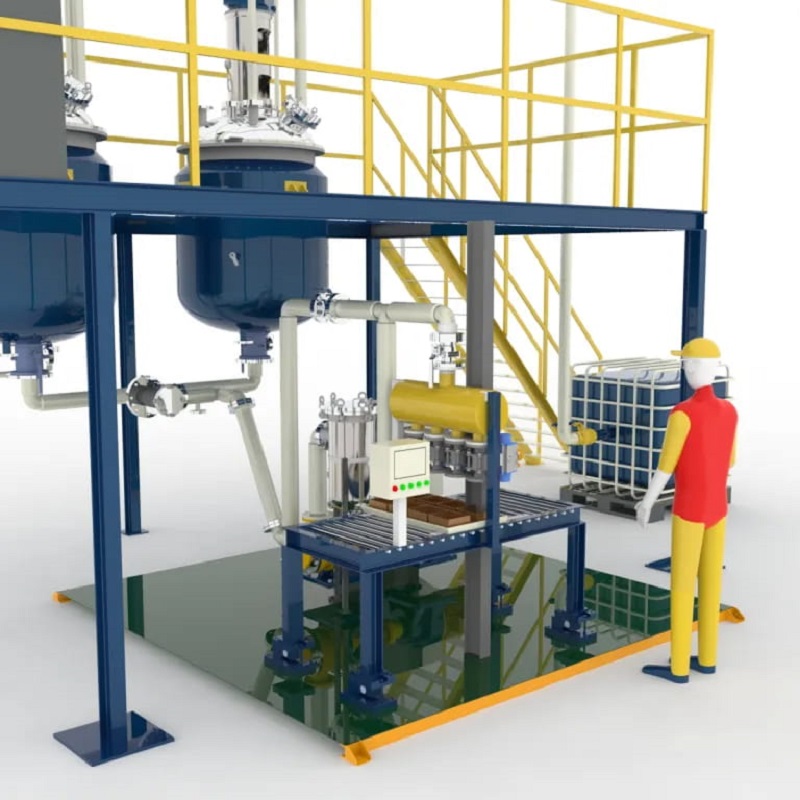
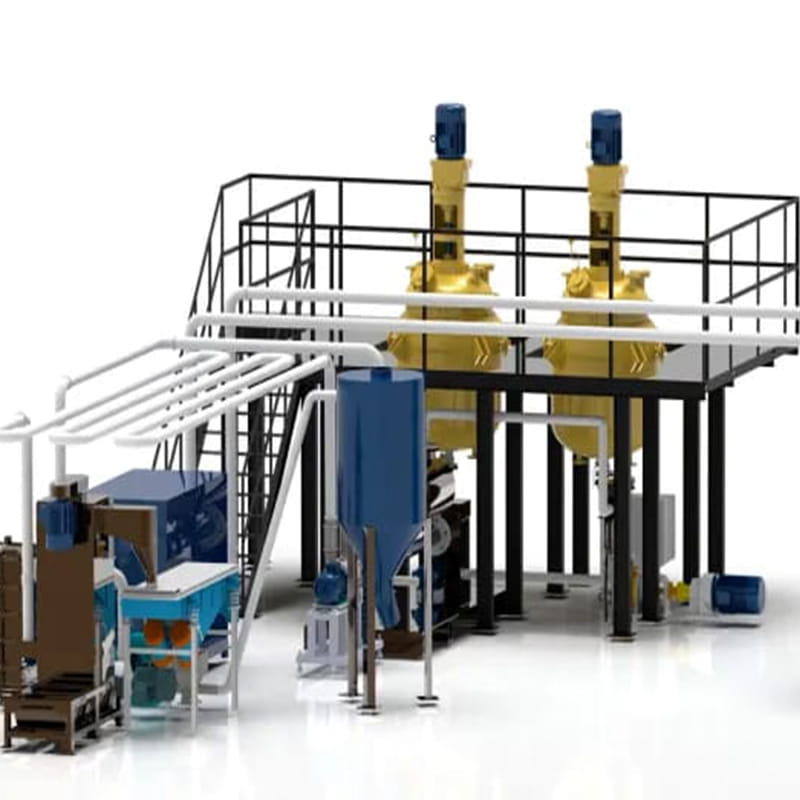
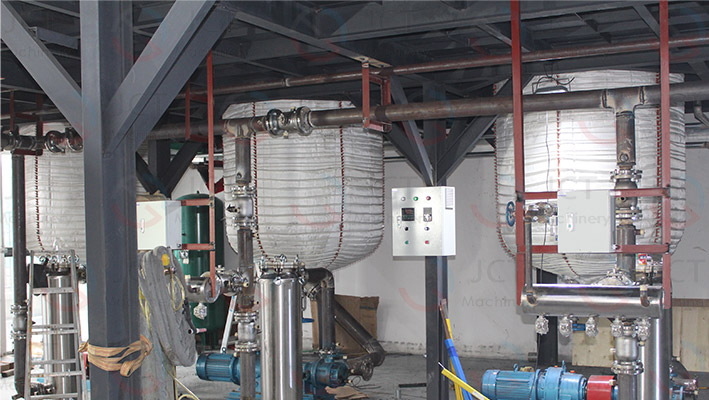
In hot melt glue production line, whether it's the reactor, sigma mixer or conveying pipeliine, covering the outer layer with thermal insulation cotton is almost standard practice in the industry. This is not just for "looking professional", but is directly related to product quality, energy consumption control, and production safety.
The core characteristics of hot melt glue are: melting at high temperatures and solidifying upon cooling.
During production, hot melt glue typically need to be maintained within a relatively stable temperature range. If equipment or pipelines dissipate heat too quickly, the following problems can occur:
By wrapping the reactor, sigma mixer and pipelines with insulating cotton, heat loss can be significantly reduced, resulting in a more stable temperature throughout the production line. This facilitates the uniform mixing and continuous conveying of the hot melt glue.
Hot melt glue is highly sensitive to temperature; temperature fluctuations directly affect:
If the temperature difference between different parts of the equipment is too large, it can easily lead to:
The role of insulation cotton is to reduce the interference of ambient temperature on the equipment, making the entire reaction or mixing process more controllable, thereby improving the consistency and stability of the product.
Equipment without insulation is essentially heating while simultaneously dissipating heat, leading to:
Through proper insulation design:
For hot melt glue factories with long-term continuous production, the energy-saving effect of insulation is considerable.
Hot melt glue production typically takes place at temperatures of 150℃ or even higher. Exposed equipment surfaces and pipes pose significant safety hazards:
After covering with insulation:
From an engineering perspective, insulation is not only a functional requirement but also a reflection of the production line's maturity:
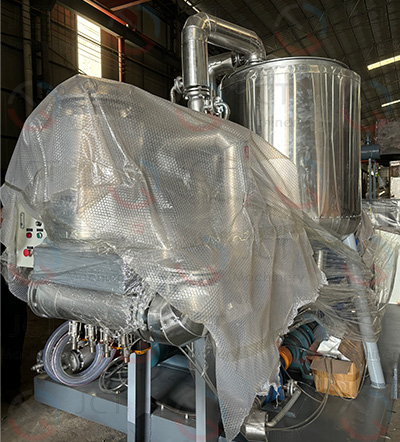
In hot melt glue production line, insulating the reactor, sigma mixer and conveying pipelines is not an optional "additional item", but rather:
This is why insulation cotton is always an indispensable part of mature hot melt glue production line solutions.
24-hour service hotline

Tel: +86 18138373963
Add: Donglian Jincheng Industrial Zone, Danzao Town, Nanhai District, Foshan City, Guangdong Province, China