Best Hot Melt Glue Production Line Equipment Manufacturer
Tel: +8618138373963 | jctmixing@outlook.com

 JCT
JCT  2026-10-14


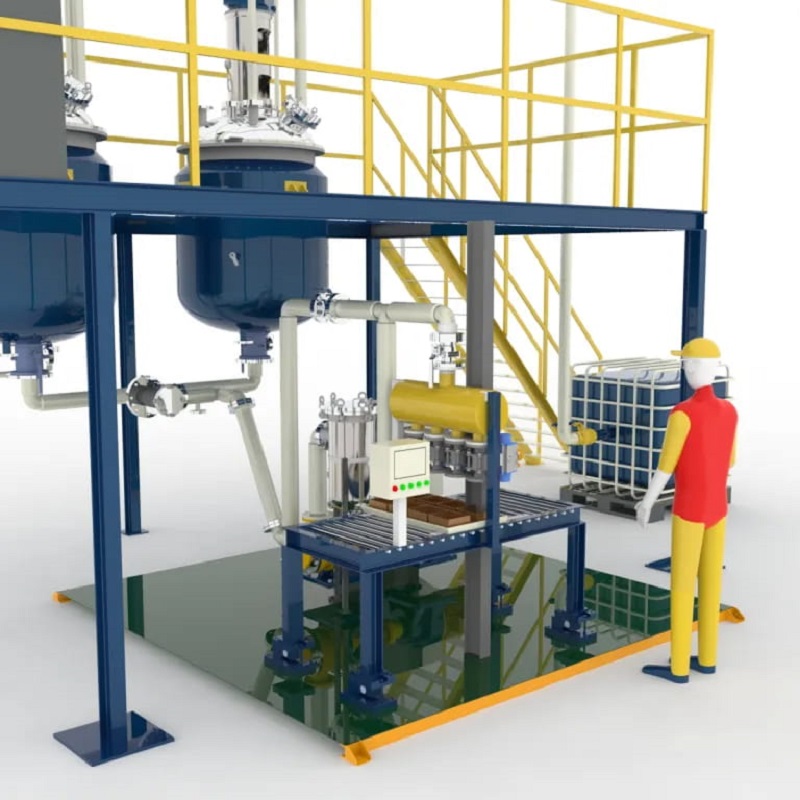
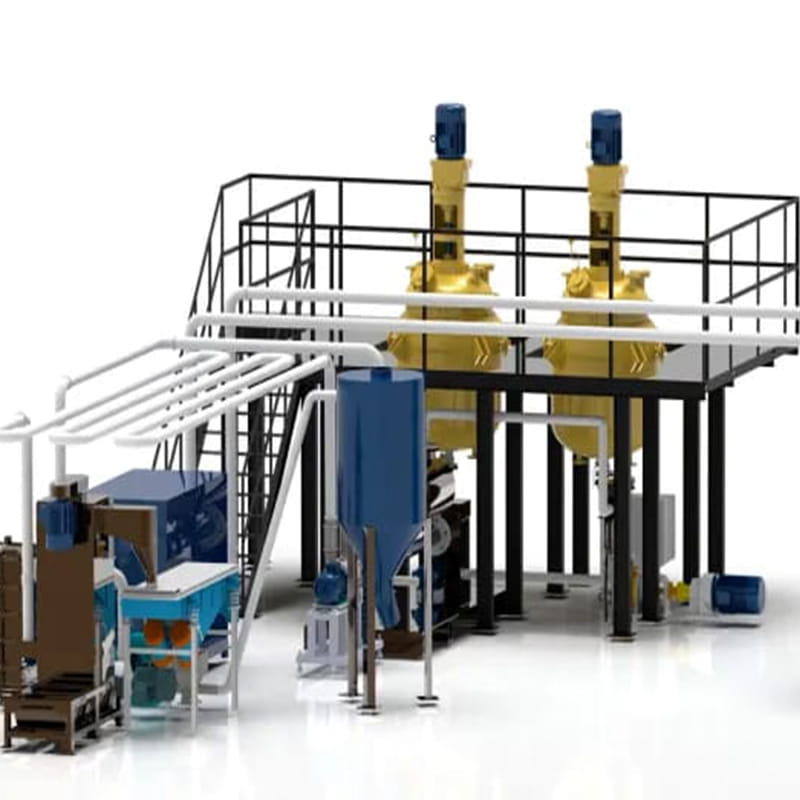
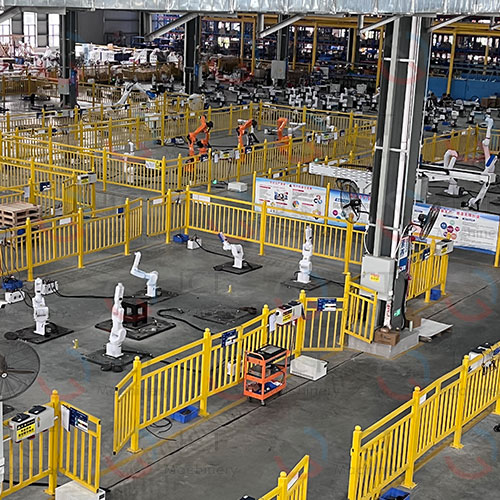
In hot melt glue production line, the introduction of robotic arms has become an important direction for automation and intelligent upgrading.
1. Automated Raw Material Feeding
In hot melt glue production, raw materials such as resins, waxes, fillers and additives are typically packaged in bags, drums or blocks.
Robotic Arm Function:
Benefits:
2. Packaging and Palletizing Automation
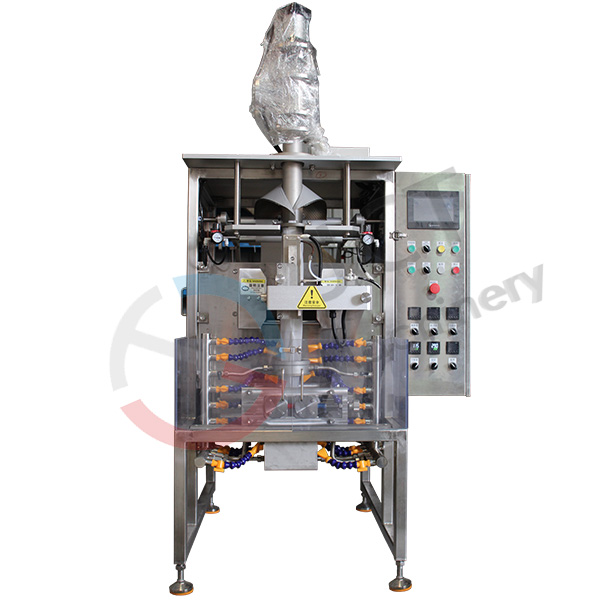
Hot melt glue products are mostly in block, pillow or bag form, making packaging and palletizing typical applications for robotic arms.
Robotic arms can chieve:
Significance for customers:
| Production efficiency | Can be increased by 20-50% |
| Labor costs | Significantly reduced, fewer high-intensity jobs |
| Safety | Avoids high temperatures, heavy objects, and repetitive labor |
| Product consistency | Stable molding, standardized packaging |
| Factory image | Upgrading to intelligent manufacturing |
24-hour service hotline

Tel: +86 18138373963
Add: Donglian Jincheng Industrial Zone, Danzao Town, Nanhai District, Foshan City, Guangdong Province, China