Best Hot Melt Glue Production Line Equipment Manufacturer
Tel: +8618138373963 | jctmixing@outlook.com

 JCT
 2026-11-27


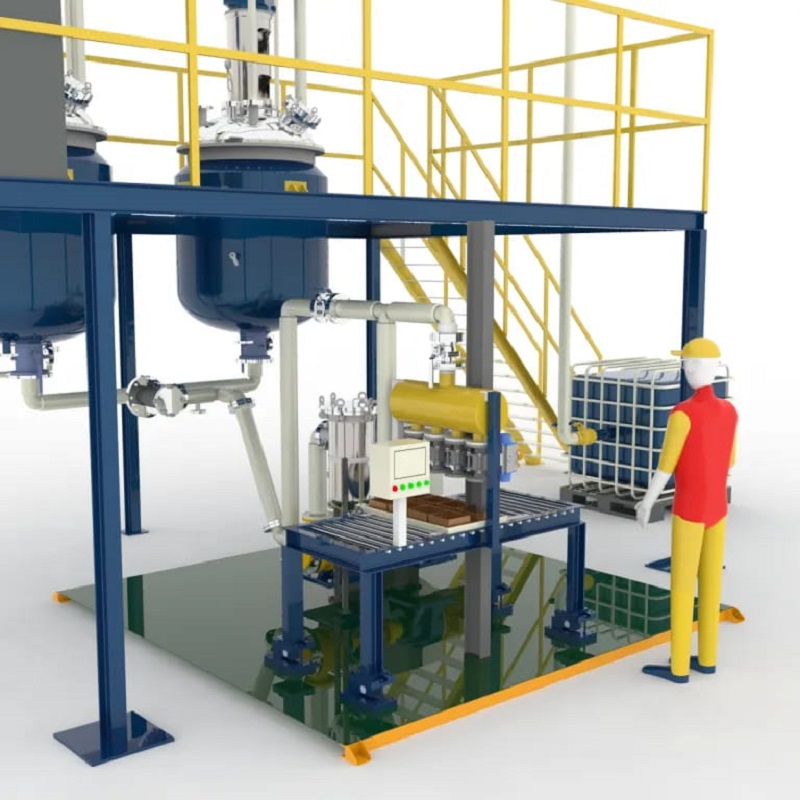
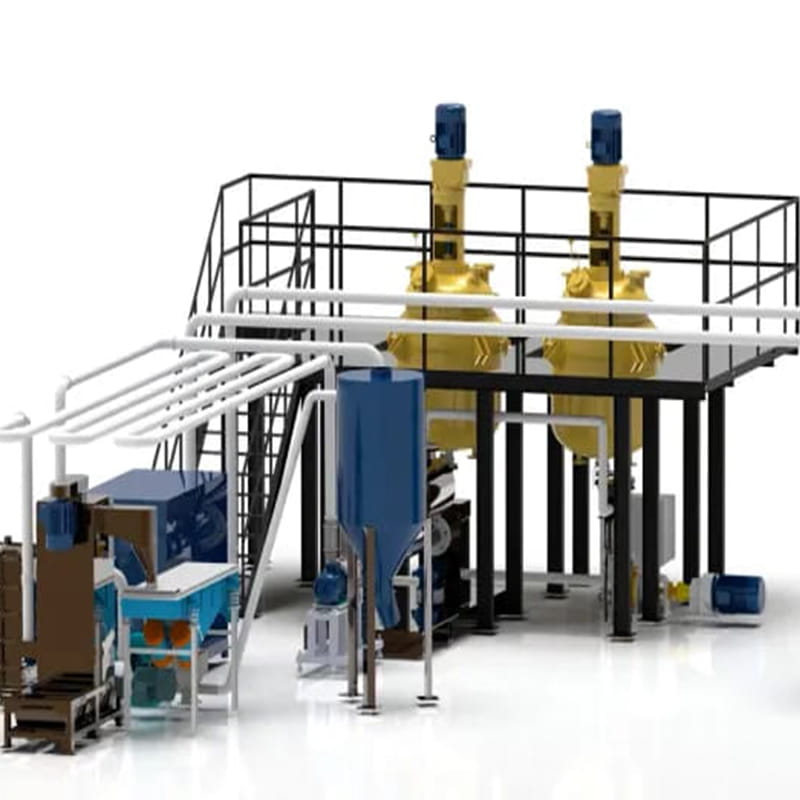
Establishing a hot melt glue production line requires more than just a mixing machine. From raw material handling and heating to mixing, discharging, cooling, and packaging, each stage needs suitable equipment to ensure stable product quality and efficient production.
The required equipment depends on several factors, including the adhesive formulation, production capacity, viscosity, and final product form. Whether you plan to manufacture EVA hot melt adhesives, polyolefin hot melt adhesives, or rubber-based hot melt adhesives, choosing the right production equipment is essential.
This guide introduces the main equipment used in a hot melt glue production line, explains the production process, and helps you understand how to select a suitable turnkey production solution.
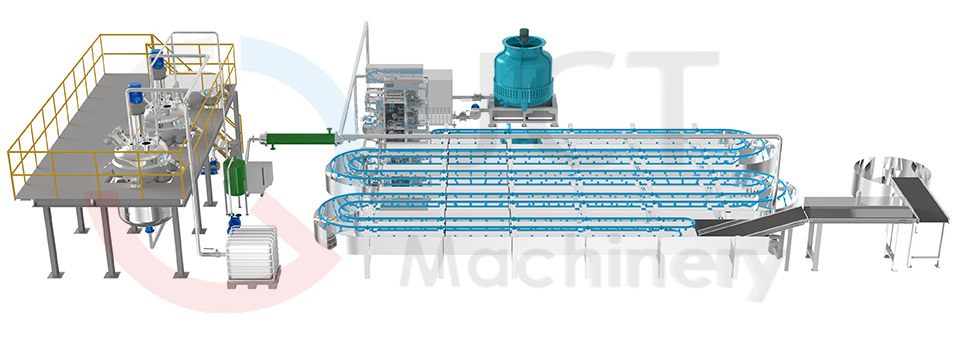
Before mixing begins, raw materials need to be stored, weighed, and transferred into the production system according to the formulation.
Common raw materials for hot melt adhesives include polymers, tackifying resins, waxes, antioxidants, and other additives. Different materials may require different handling methods.
A suitable feeding and weighing system helps improve batching accuracy, reduce manual handling, and support consistent production.
Mixing is one of the most important stages in hot melt adhesive manufacturing. The mixing equipment must provide sufficient heat transfer, mechanical force, and material circulation to achieve uniform blending.
Different formulations and viscosity levels may require different mixing technologies.
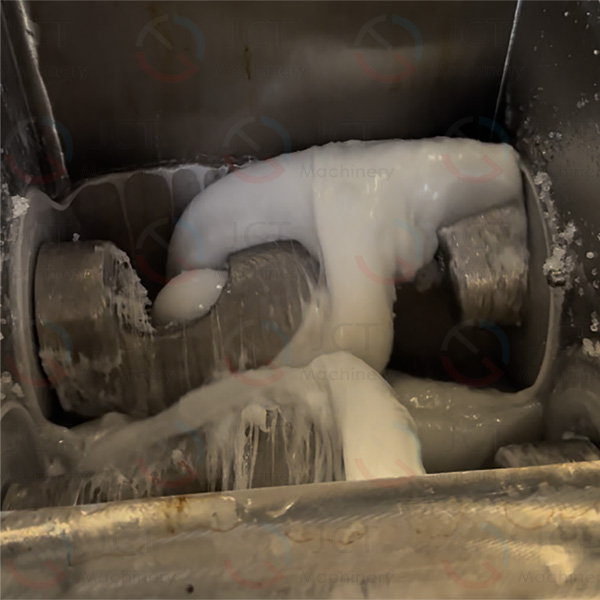
A sigma mixer, also known as a kneader, is commonly used for high-viscosity materials. Its two sigma-shaped blades generate strong kneading and shearing forces, helping blend polymers, resins, fillers, and additives.
It can be considered for hot melt adhesive formulations that require intensive kneading and mixing, especially when the material becomes highly viscous during processing.
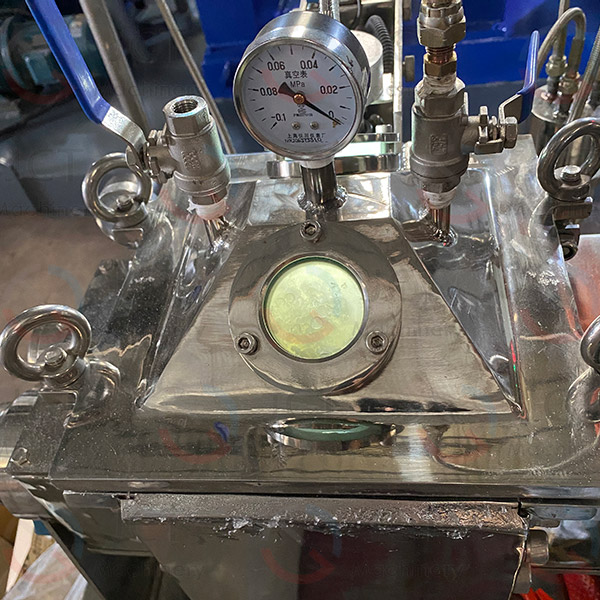
A reactor is used when the production process involves heating, reaction, or other controlled processing steps. It can be equipped with a heating and temperature-control system, as well as a suitable agitator based on the material properties and process requirements.
Not every hot melt adhesive formulation requires a reactor. Its necessity depends on the specific manufacturing process and whether chemical reactions or dedicated thermal processing are involved.
When selecting mixing equipment, manufacturers should consider the formulation, viscosity changes during processing, batch size, heating requirements, discharge method, and cleaning requirements.
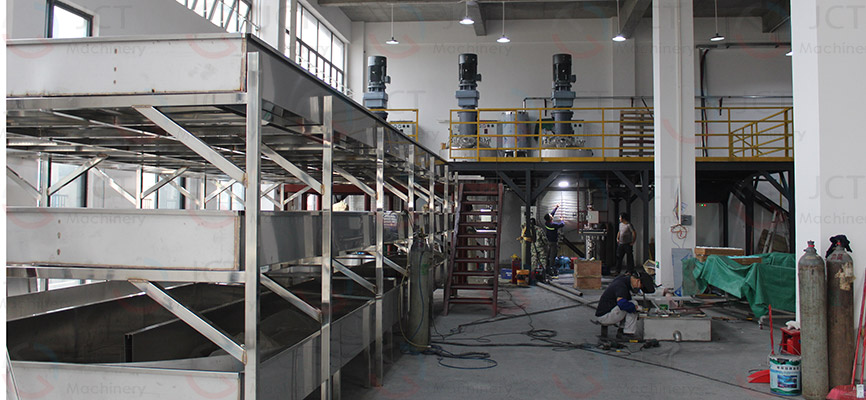
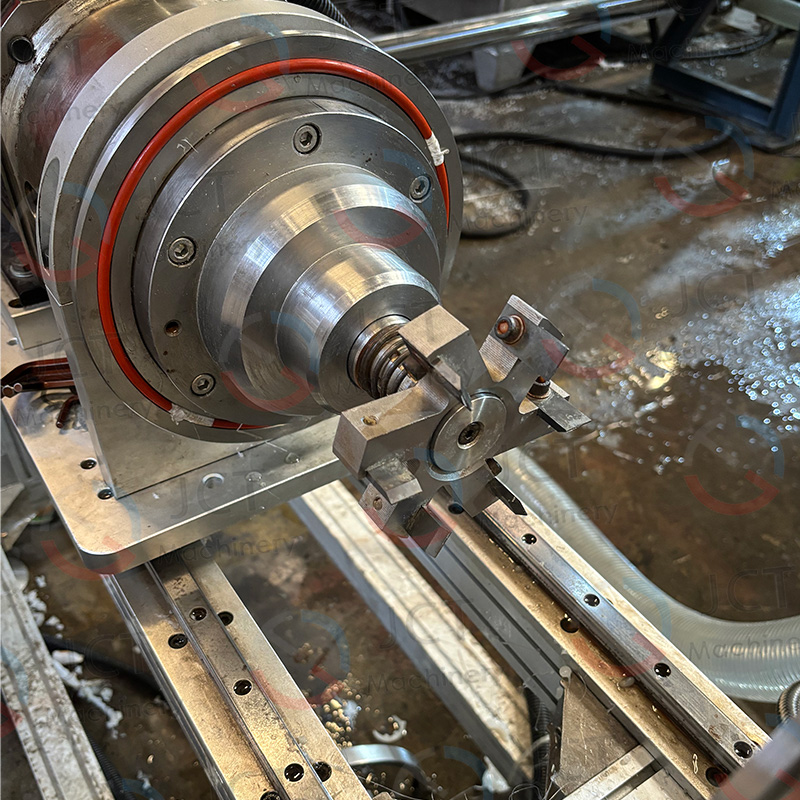
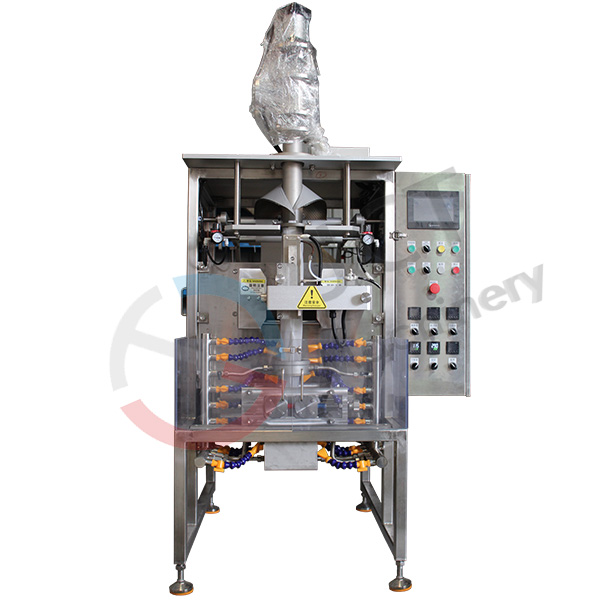
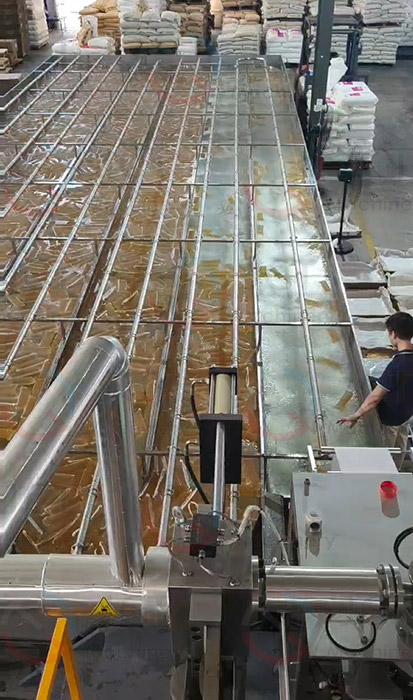
After mixing, hot melt glue usually needs to be transferred, cooled, shaped, and packaged. The required downstream equipment depends on the final product form.
For block-shaped products, the production line may use a different cooling and packaging arrangement from a pellet or granule production line. Therefore, downstream equipment should be selected according to the final product requirements.
A typical hot melt glue production process may include the following stages:
The exact process and equipment configuration may vary depending on the adhesive formulation, production technology, and final product specifications.
There is no single production line configuration suitable for every hot melt glue manufacturer. Before purchasing equipment, consider the following factors.
EVA-based, polyolefin-based, and rubber-based hot melt glue may have different processing requirements. The equipment should be selected according to the actual raw materials and formulation.
Determine the required batch size and daily output. These factors affect the mixing machine capacity, feeding system, heating arrangement, and downstream equipment.
Material viscosity and its changes during heating and mixing are important considerations when choosing the mixer, discharge system, and transfer equipment.
Decide whether the finished adhesive will be supplied as blocks, pellets, granules, or another form. The cooling, cutting, and packaging sections should match the final product requirements.
Available factory space, equipment arrangement, labor requirements, and the desired level of automation should also be considered when designing the production line.
Purchasing individual machines is only one part of establishing a hot melt glue factory. A complete production project also requires process planning, equipment matching, layout design, and coordination between different production stages.
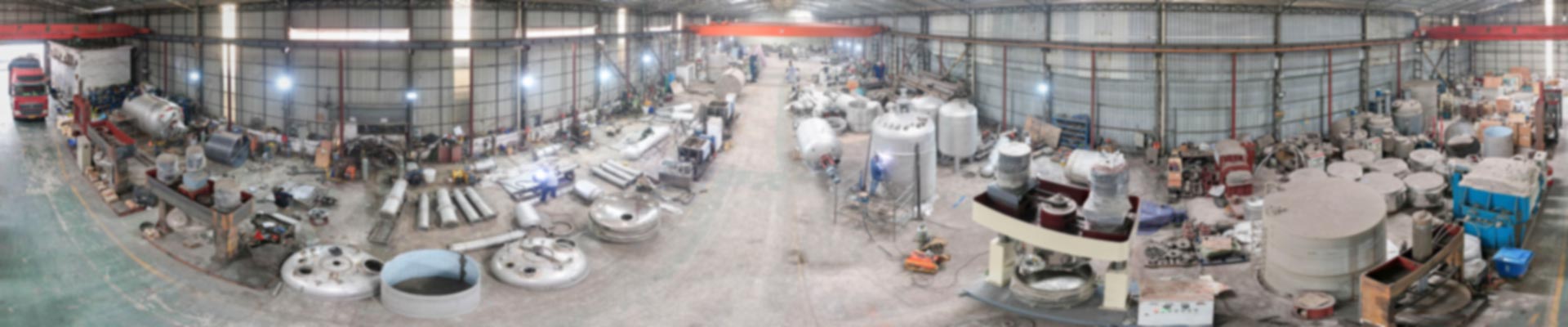
JCT Machinery is a mixing equipment manufacturer founded in 2006. The company provides sigma mixers, kneaders, double planetary mixers, reactors, and customized production line solutions for adhesive and resin manufacturing.
With a factory area of approximately 3,000 m² and an operations and promotion center of approximately 500 m², JCT Machinery focuses on customized equipment and turnkey production line projects.
For customers planning to establish a hot melt glue production facility, JCT can help evaluate the production requirements and recommend a suitable equipment configuration based on the formulation, capacity, material characteristics, and finished product specifications.
Customers can also send raw materials to the factory for equipment testing before making a purchasing decision.
Looking for a hot melt adhesive production line solution? Contact JCT Machinery to discuss your formulation and production requirements.
A typical production line may include raw material storage and feeding equipment, weighing systems, a sigma mixer or other suitable mixing machine, heating and discharge systems, cooling equipment, cutting or pelletizing machines, and packaging equipment. The exact configuration depends on the formulation and final product.
A sigma mixer is commonly considered for high-viscosity hot melt adhesive materials that require intensive kneading. However, the appropriate mixer depends on the formulation, viscosity, batch size, and process requirements.
Not necessarily. A reactor is required only when the manufacturing process involves specific heating, reaction, or processing steps that call for reactor equipment. Some formulations can be processed using suitable mixing equipment without a reactor.
Yes. A production line can be configured according to the adhesive formulation, required output, factory layout, automation level, and final product form. Equipment selection should be based on the customer's actual production process.
Yes. Customers can send raw materials to JCT Machinery's factory for equipment testing. Testing can help evaluate the material's processing behavior and support equipment selection.
24-hour service hotline

Tel: +86 18138373963
Add: Donglian Jincheng Industrial Zone, Danzao Town, Nanhai District, Foshan City, Guangdong Province, China