Best Hot Melt Glue Production Line Equipment Manufacturer
Tel: +8618138373963 | jctmixing@outlook.com

 JCT
 2026-11-27


In the production of hot melt glue, both reactor and sigma mixer are common industrial processing units. They differ in terms of structural design, material handling methods, and process adaptability. Understanding the respective advantages of these two types of equipment can help manufacturers establish more efficient and rational production processes.
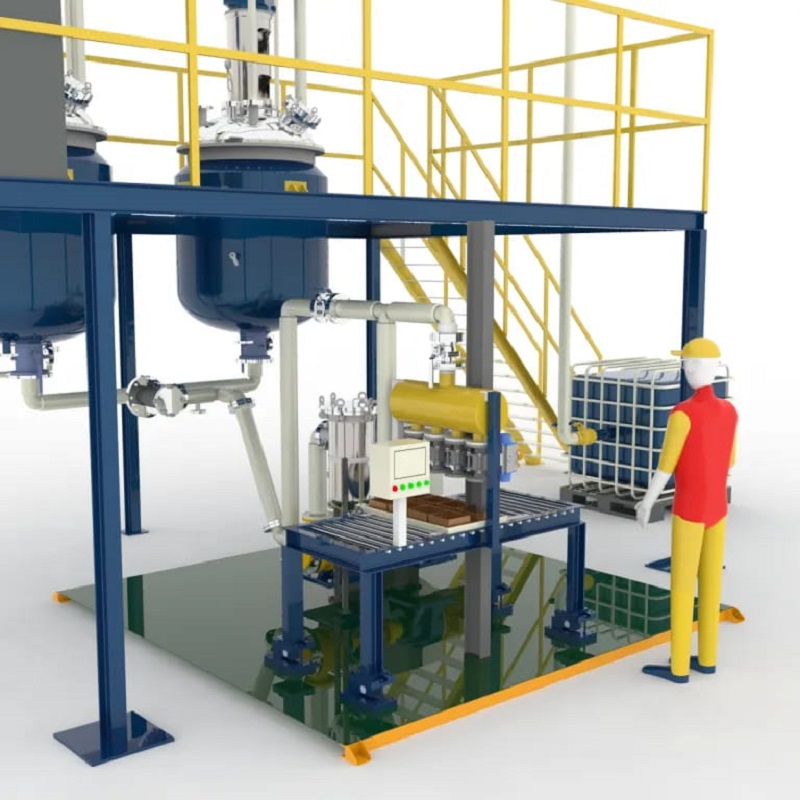
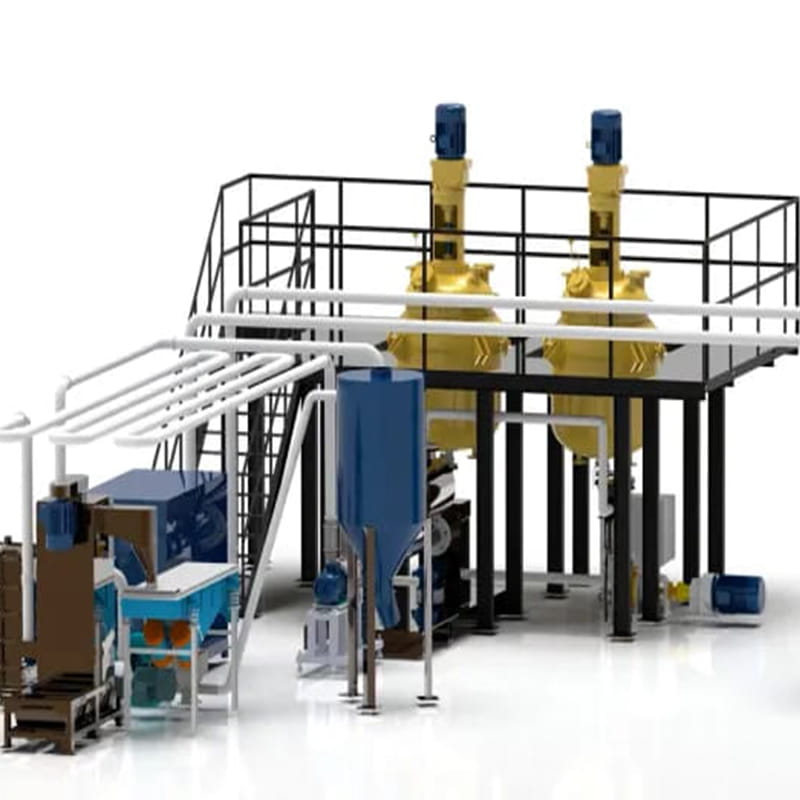
Reactor typically features a sealed container structure and can be equipped with heating, cooling, stirring, temperature monitoring, and other auxiliary systems, depending on process requirements. In the context of hot melt glue applications, these vessels can be used for melting raw materials, blending components, and carrying out reactions or processing steps that require specific temperature and duration conditions.
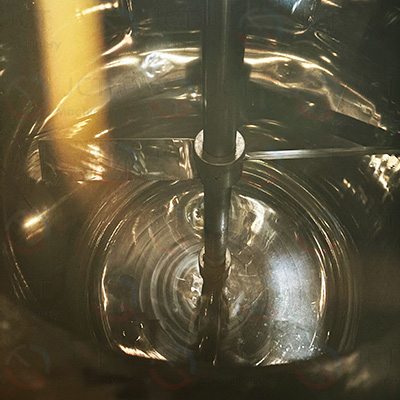
Reactor can be equipped with heating jackets or coils to meet specific process requirements. Integrated temperature monitoring and control systems allow for precise management of the processing cycle—an ideal solution for hot-melt adhesive formulations that demand strict control over temperature and processing duration.
For materials that exhibit sufficient fluidity at processing temperatures, reactors utilize agitation to facilitate thorough mixing, effectively supporting processes such as melting, blending, or chemical reaction.
Reactors can accommodate batch volumes of up to 90% of their total capacity, making them highly efficient for large-scale production. Furthermore, they are generally more cost-effective than kneaders.
For processes requiring a specific sequence of operations—such as charging, heating, stirring, maintaining temperature, or cooling—reactors offer excellent support for multi-stage processing and systematic management.
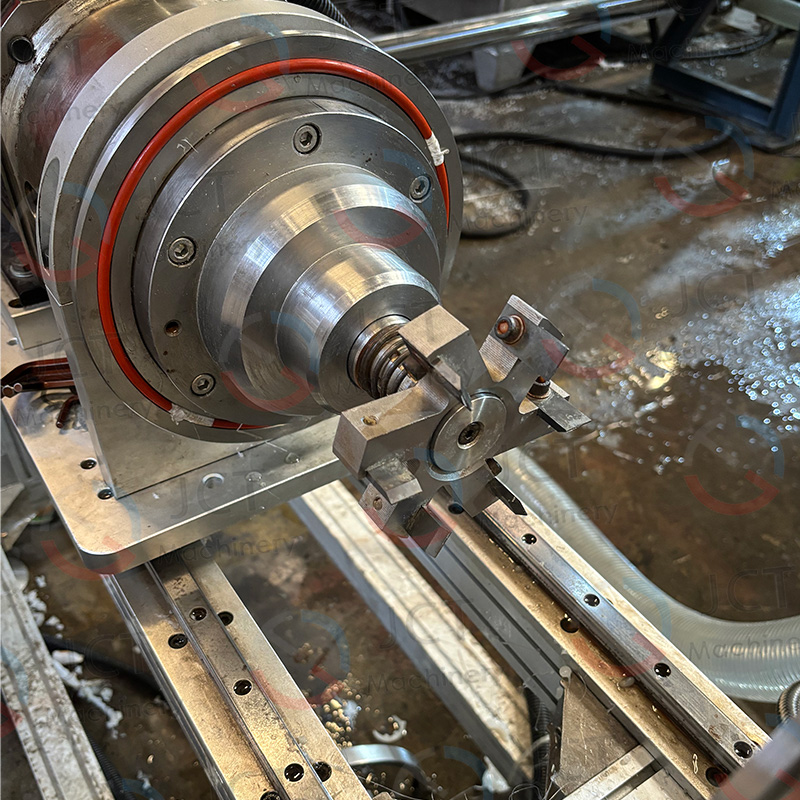
Sigma mixers typically feature specially designed blades and mixing chambers, processing materials through continuous compression, folding, and relative motion; they are suitable for a wide range of high-viscosity, paste-like, or highly cohesive substances.
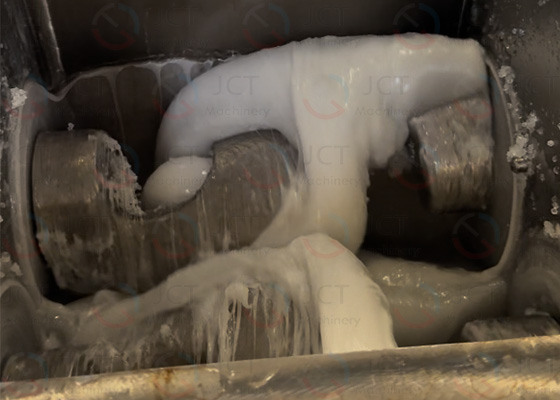
Sigma mixers utilize specially designed, counter-rotating blades operating at differential speeds to process high-viscosity materials. This facilitates the exchange and blending of components, making them well-suited for hot-melt adhesive formulations that require significant mechanical action.
For processes requiring the thorough blending of polymers, tackifying resins, fillers, or functional additives, an appropriate kneading configuration enhances component dispersion, thereby reducing product inconsistencies caused by uneven mixing.
Depending on the viscosity of the hot melt glue, the required discharge method, and specific production needs, sigma mixer can be equipped with features such as jacketed heating or cooling systems, vacuum systems, hydraulic tilting mechanisms, or screw-assisted discharge.
In cases where materials remain highly viscous after processing—making them difficult to discharge via gravity—specialized discharge configurations can be selected to facilitate the removal of the material and its subsequent transfer.
The key to equipment selection is not determining which piece of equipment is "better," but rather identifying which one best aligns with your specific formulations, processes, and production goals. We will assist you in evaluating the optimal equipment solution for your hot melt glue production line.
Tel: +86-181 3837 3963 (Whatsapp, Wechat)
Email: jctmixing@outlook.com
24-hour service hotline

Tel: +86 18138373963
Add: Donglian Jincheng Industrial Zone, Danzao Town, Nanhai District, Foshan City, Guangdong Province, China