Best Hot Melt Glue Production Line Equipment Manufacturer
Tel: +8618138373963 | jctmixing@outlook.com


Determined jointly by the composition of the raw materials, antioxidant properties, and thermal stability after heating.
Product Specification: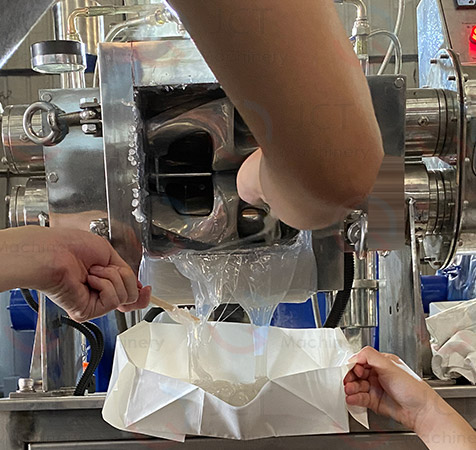
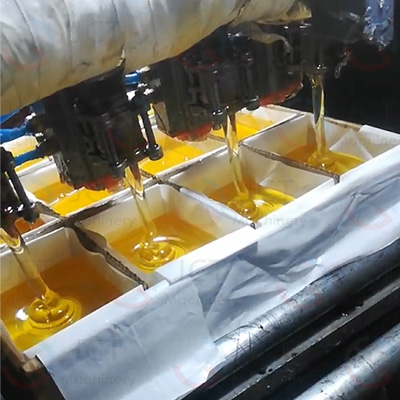
The color of hot melt adhesive often reflects its chemical nature and intended application. The following are the four main reasons for color differences:
The primary component of hot-melt adhesives is polymer resin; different types of resins inherently possess distinct color variations:
Hot melt adhesives consist of more than just a base polymer; they also require the addition of "tackifiers" to regulate their adhesive properties:
This is the key factor responsible for the yellowing of adhesives during use:
Colors often correspond to distinct application logic:
| Color | Features | Application Scenarios |
| Fully transparent | Clean appearance, excellent initial tack, strong resistance to yellowing | Electronics packaging, premium gift boxes, transparent plastic packaging |
| Milky white | High opacity, good toughness | Edge banding, bookbinding, sealing white paper boxes |
| Pale yellow | Exceptional value for money, strong holding power | Sealing corrugated cardboard boxes, general woodworking, sealing courier bags |
Does greater transparency necessarily mean higher quality?
Not necessarily.
While transparent adhesives typically indicate high raw material purity and good thermal stability, in certain industrial applications, a pale yellow adhesive may offer stronger physical bonding strength or lower costs.
 Other Products You May Like
Please provide your requested item product name and request details as like box style, material, dimensions, color and logo request, we can help to find out best packing solution.
24-hour service hotline

Tel: +86 18138373963
Add: Donglian Jincheng Industrial Zone, Danzao Town, Nanhai District, Foshan City, Guangdong Province, China