Best Hot Melt Glue Production Line Equipment Manufacturer
Tel: +8618138373963 | jctmixing@outlook.com

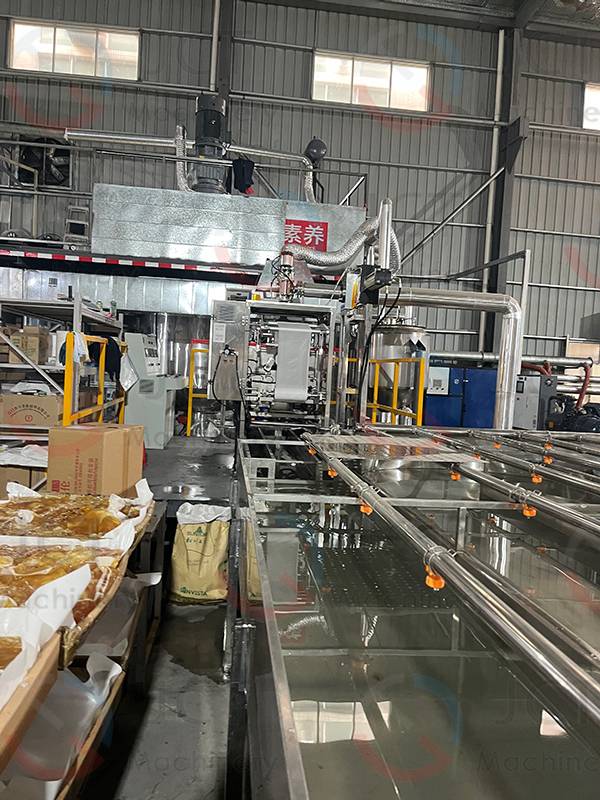
What is pressure sensitive adhesive? Pressure sensitive adhesive (PSA) is a hot melt adhesive that maintains permanent viscosity at room temperature. It can be coated on the surface of the substrate after heating and melting, and still maintains a cert
Product Specification:
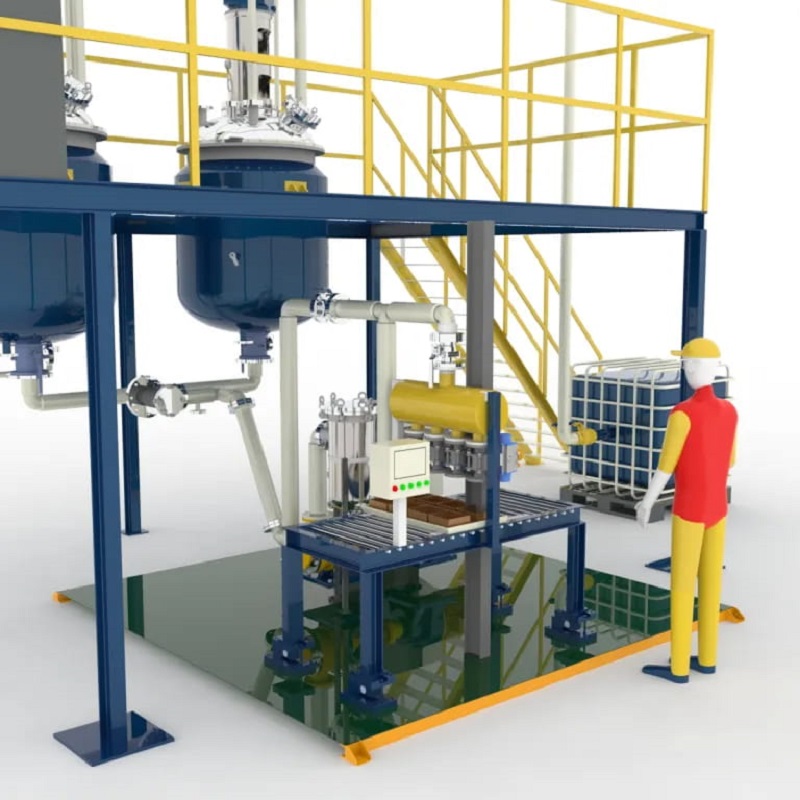
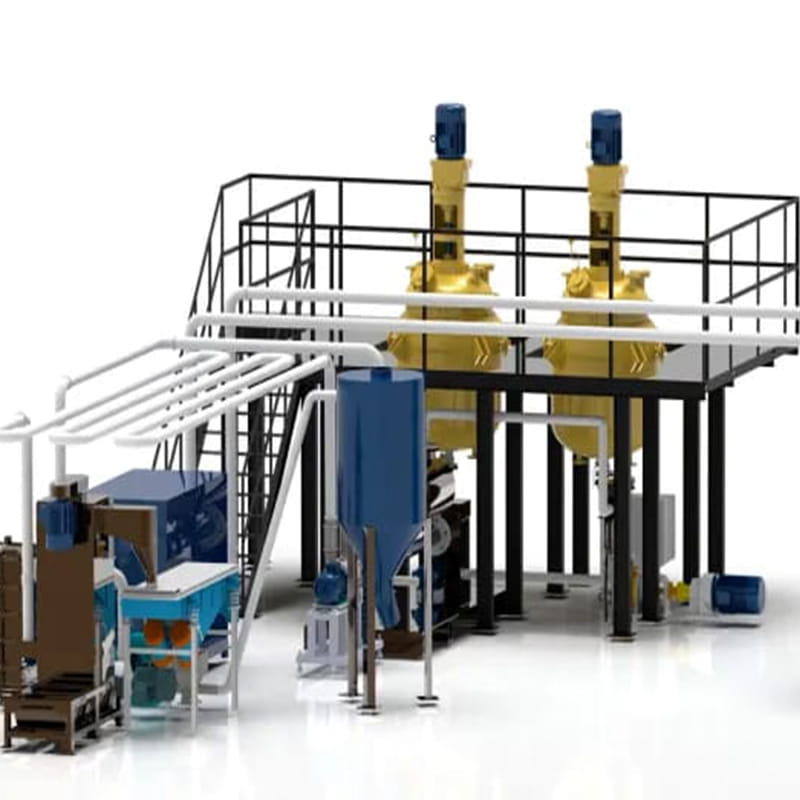
A pillow pressure sensitive adhesive (PSA) production line produces pressure sensitive hot melt adhesive in pillow-shaped form — similar to a small inflatable pillow. PSA is a hot melt adhesive that maintains permanent viscosity at room temperature: it is coated on the substrate after heating and melting, still maintains a certain viscosity after cooling, bonds under low pressure and can be repeatedly pasted and peeled. JCT Machinery supplies complete pillow pressure sensitive adhesive production lines — from reactor melting and vacuum deaeration to filtration, die-head extrusion, inflation molding, water cooling and packaging.
Pressure sensitive adhesive (PSA) is a hot melt adhesive that maintains permanent viscosity at room temperature. It can be coated on the surface of the substrate after heating and melting, and still maintains a certain viscosity after cooling. It can achieve bonding under low pressure and can be repeatedly pasted and peeled.
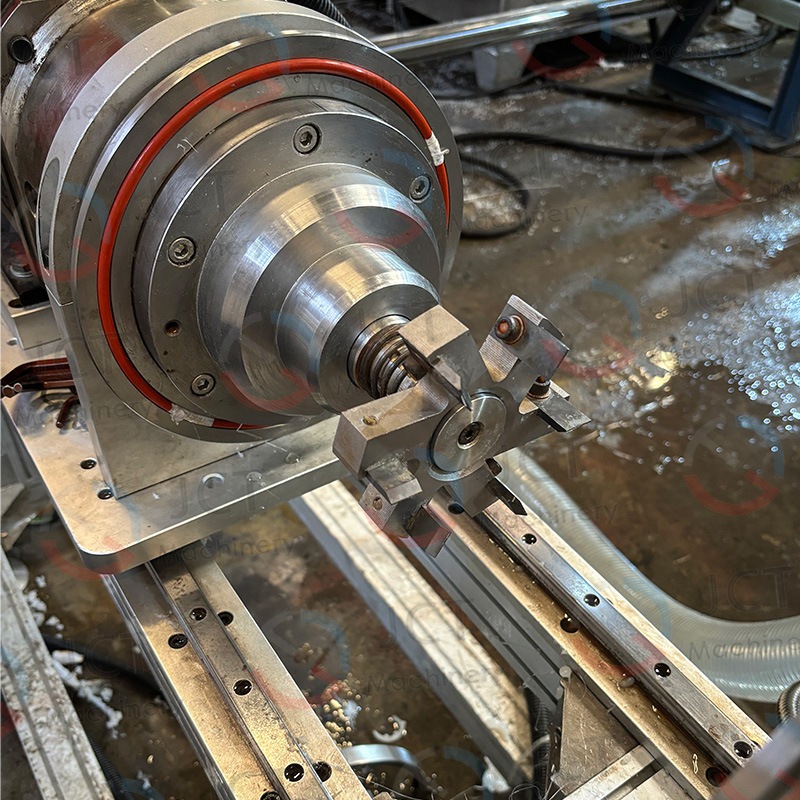
Pillow PSA is pressure sensitive adhesive supplied in pillow-shaped form instead of a solid block. In a pillow PSA production line, the melt is extruded through the die head and then inflated and molded, and the product is cooled with water. Pillow PSA is convenient to store, melt and dose, and works well with automated adhesive application lines.
A complete pillow pressure sensitive adhesive (PSA) production line from JCT Machinery typically includes the following units:
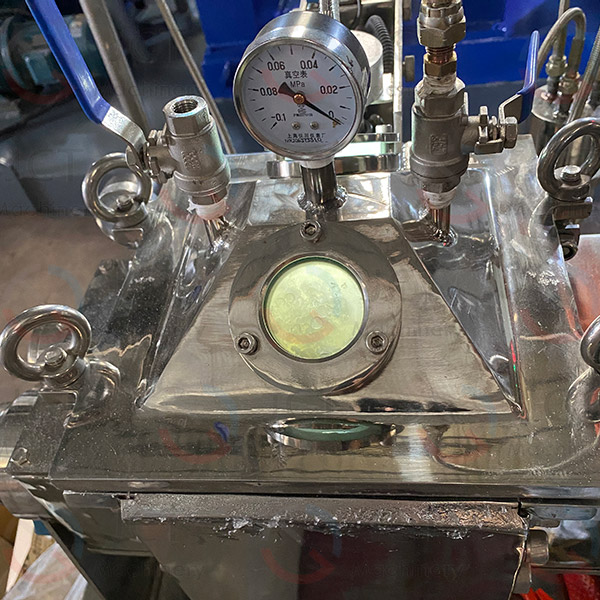
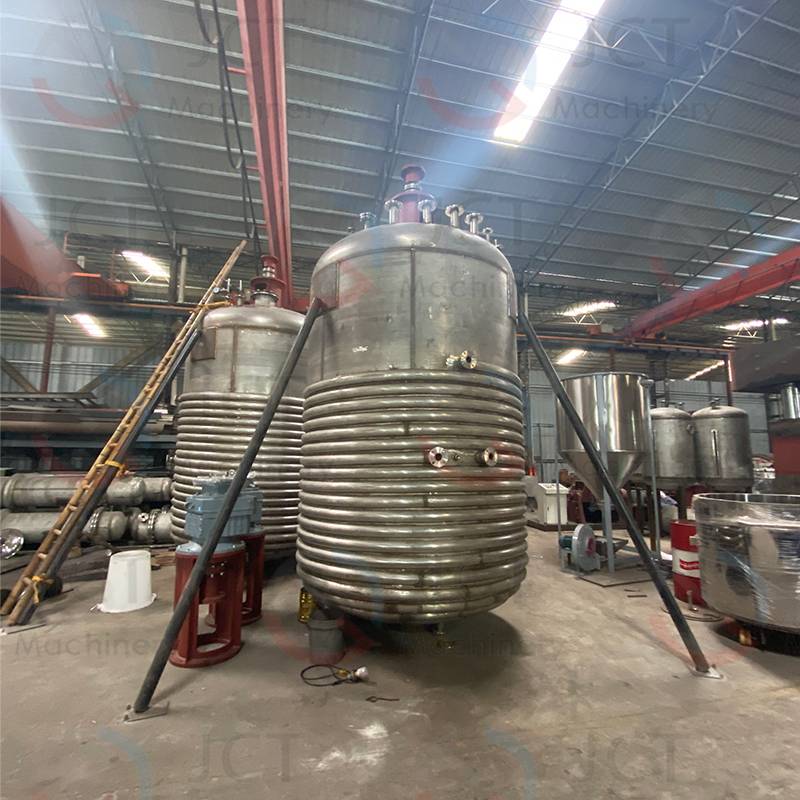
The reactor is responsible for controlling the temperature, pressure and mixing speed of the raw materials. The raw materials used to make pillow pressure sensitive adhesive typically include a base polymer (such as SIS, SBS, SEBS or EVA), a tackifying resin, a softener / plasticizer, an antioxidant and a filler. These materials are added to the reactor in specific proportions and heated to a specific temperature to create a homogeneous mixture.
The reactor plays a vital role in the pillow PSA production line, as it ensures that the pressure sensitive adhesive produced is of consistent quality and meets the desired specifications. The reactor also helps to eliminate any impurities or contaminants that may be present in the raw materials, ensuring that the final product is of high quality — and it directly determines the viscosity and homogeneity that the filtration, extrusion and inflation molding stages depend on.
Reactor specification available from JCT Machinery:
|
Capacity |
Heating System |
Mixing System |
Pressure Control |
Operating Temperature |
Operating Pressure |
|
500 L |
Jacketed vessel with hot oil heating medium |
Mechanical agitator |
Pressure relief valve |
Up to 200 °C |
Up to 1.6 MPa |
|
1000 L |
Jacketed vessel with electric / oil heating medium |
Mechanical agitator |
Pressure relief valve |
Up to 200 °C |
Up to 1.6 MPa |
|
5000 L |
Jacketed vessel with electric / oil heating medium |
Mechanical agitator |
Pressure relief valve |
Up to 200 °C |
Up to 1.6 MPa |
|
10 T |
Jacketed vessel with electric / oil heating medium |
Mechanical agitator |
Pressure relief valve |
Up to 200 °C |
Up to 1.6 MPa |
|
Ingredients |
Functions |
|
Base polymer (such as SIS, SBS, SEBS, EVA) |
Provides viscosity, elasticity and weather resistance |
|
Tackifying resin (such as C5 / C9 petroleum resin) |
Increases initial adhesion and improves bonding strength |
|
Softener / Plasticizer (such as liquid tackifying resin, mineral oil) |
Reduces viscosity and improves fluidity |
|
Antioxidant |
Increases thermal stability and prevents oxidative degradation |
|
Filler (such as calcium carbonate) |
Reduce cost and adjust viscosity |
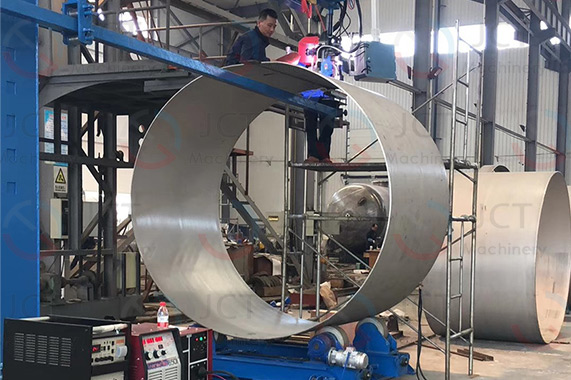
JCT provides high-quality equipment to ensure that you can produce high-quality pressure sensitive adhesives. To obtain pressure sensitive adhesive with different performance characteristics, the formula of the pressure sensitive adhesive needs to be adjusted:
|
Comparison Items |
Pillow PSA Production Line |
Bulk PSA Production Line |
|
Molding Method |
The melt is extruded through the die head and then inflated and molded |
The melt is extruded and then calendered or cast |
|
Product Form |
Pillow-shaped (similar to a small inflatable pillow) |
Solid cube or rectangular block |
|
Cooling System |
Water cooling |
Water cooling or metal plate conduction cooling (rapid solidification) |
Both lines share the same reactor melting, vacuum deaeration and filtration stages; the difference is the molding method, the product form and the cooling system. If your application needs solid blocks for industrial thick coating instead, see our bulk pressure sensitive adhesive production line.
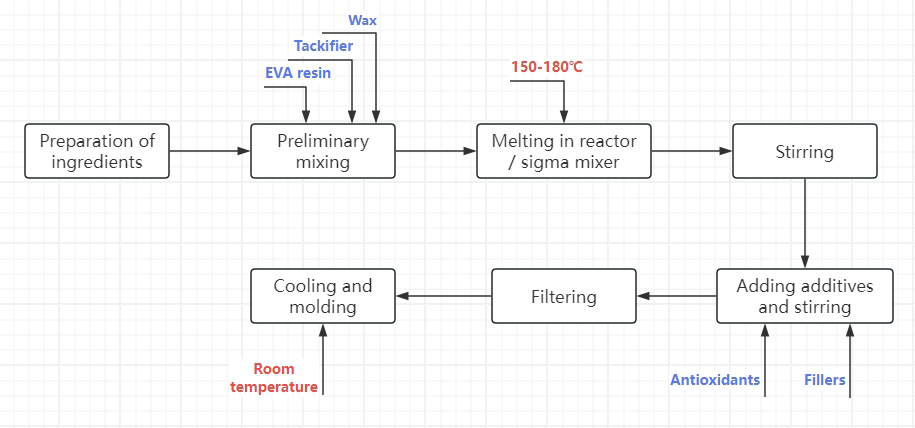
Q: How to produce pressure sensitive adhesives of different qualities?
A: JCT provides high-quality equipment to ensure that you can produce high-quality pressure sensitive adhesives. Adjust the formula: use C5 resin to enhance initial adhesion, C9 resin to improve peel strength or rosin resin to improve transparency; choose SIS for elasticity, SBS for aging resistance or SEBS for higher-end applications; adjust the softener for flexibility, fluidity and low-temperature resistance; and add antioxidants to prevent thermal degradation.
Q: What is a pillow pressure sensitive adhesive (PSA) production line?
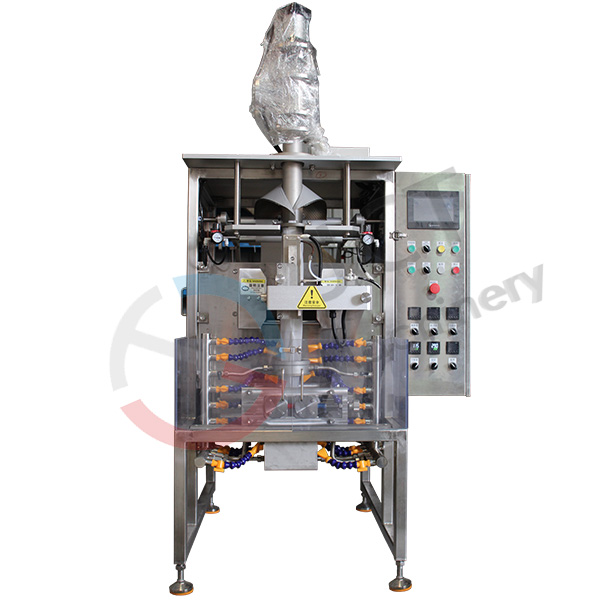
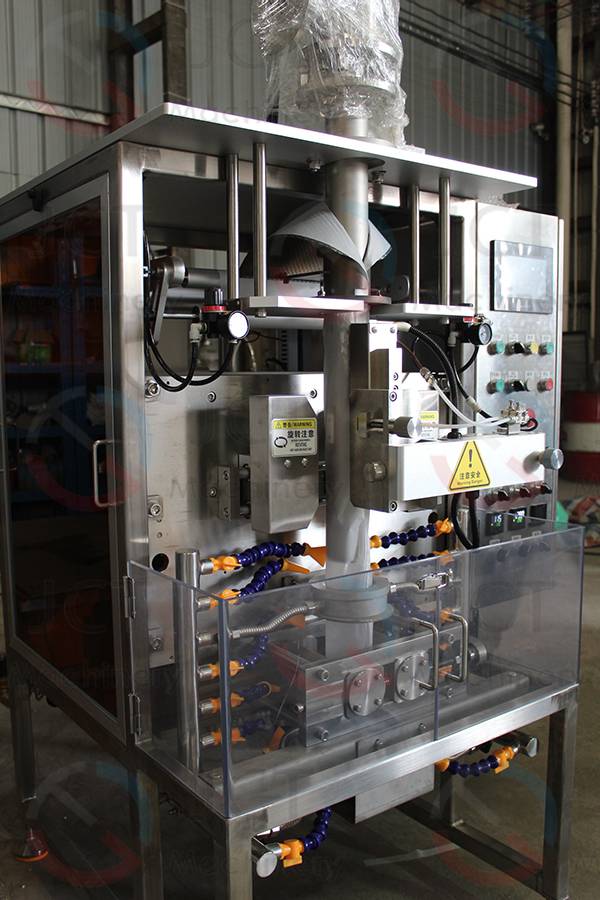
A: It is a production line that melts, mixes, deaerates and filters pressure sensitive hot melt adhesive in a reactor, then extrudes and inflation-molds it into pillow-shaped form, cools it with water and packs it. A typical configuration includes a reactor or sigma mixer, a storage tank, a vacuum system, a filtration system, a chiller system, a packaging machine and a cooling water tank.
Q: What is the role of the reactor in a pillow PSA production line?
A: The reactor controls the temperature, pressure and mixing speed of the raw materials. It melts and mixes the base polymer (SIS, SBS, SEBS or EVA), tackifying resin, softener, antioxidant and filler into a homogeneous mixture, and determines the viscosity used by the filtration, extrusion and inflation molding stages.
Q: What is the difference between a pillow PSA production line and a bulk PSA production line?
A: The pillow line extrudes the melt through the die head and then inflation-molds it into a pillow shape, cooled with water. The bulk line extrudes the melt and then calenders or casts it into a solid cube or rectangular block, cooled with water or metal plate conduction cooling for rapid solidification.
Q: What is the difference between pressure sensitive adhesive and ordinary hot melt glue?
A: Ordinary hot melt glue sets hard after cooling and bonds once. Pressure sensitive adhesive maintains permanent viscosity at room temperature, so it bonds under low pressure and can be repeatedly pasted and peeled.
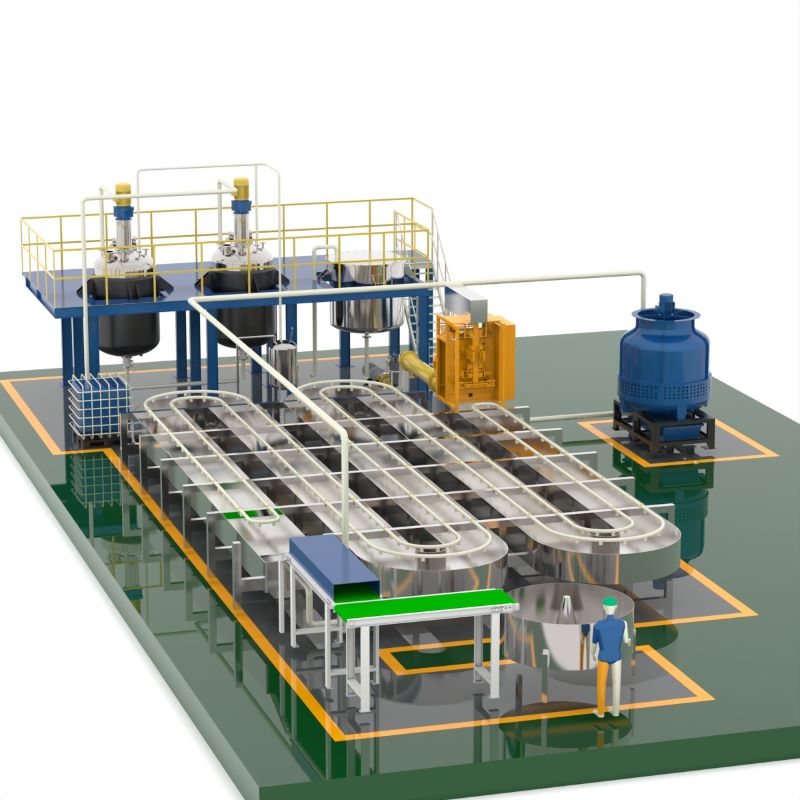
Looking for a reliable pillow pressure sensitive adhesive (PSA) production line, or the right reactor capacity for your output? Contact JCT Machinery and tell us your formula, output and product form requirement — our engineers will recommend the equipment configuration and provide a free quotation.
 Other Products You May Like
Please provide your requested item product name and request details as like box style, material, dimensions, color and logo request, we can help to find out best packing solution.
24-hour service hotline

Tel: +86 18138373963
Add: Donglian Jincheng Industrial Zone, Danzao Town, Nanhai District, Foshan City, Guangdong Province, China