Best Hot Melt Glue Production Line Equipment Manufacturer
Tel: +8618138373963 | jctmixing@outlook.com

What is polyolefin hot melt glue? Polyolefin hot melt glue is a kind of hot melt glue with polyolefin resin as the main component. Polyolefin is a kind of polymer material formed by the polymerization of olefin monomers (such as ethylene, propylene, et
Product Specification:
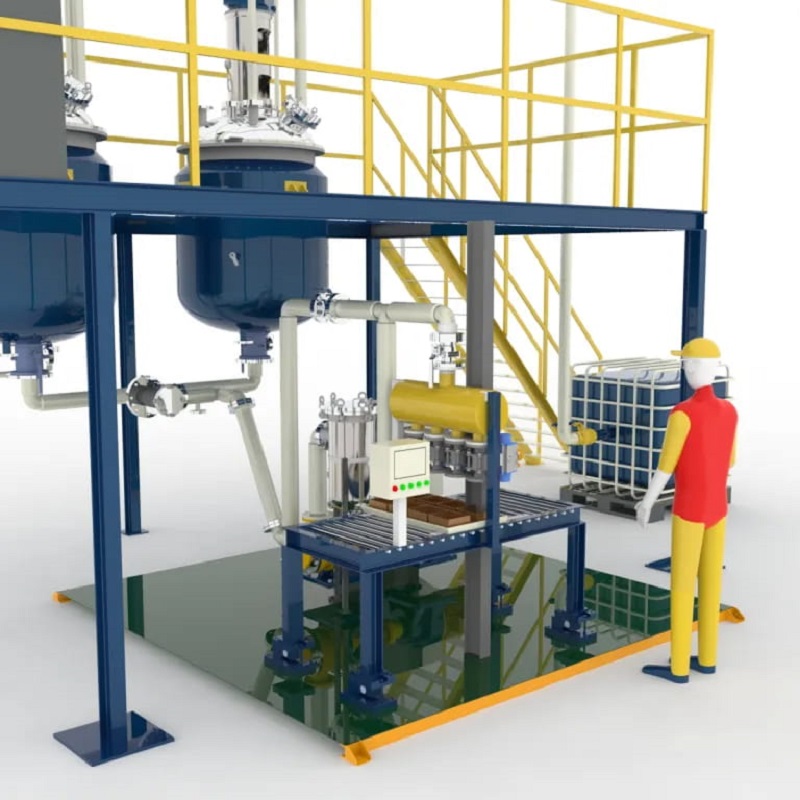
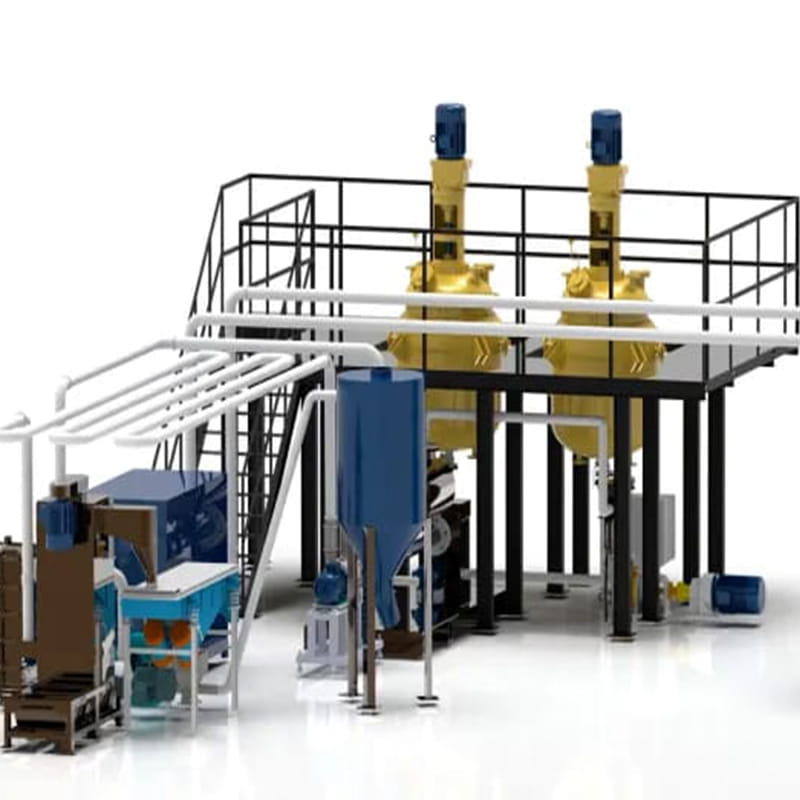
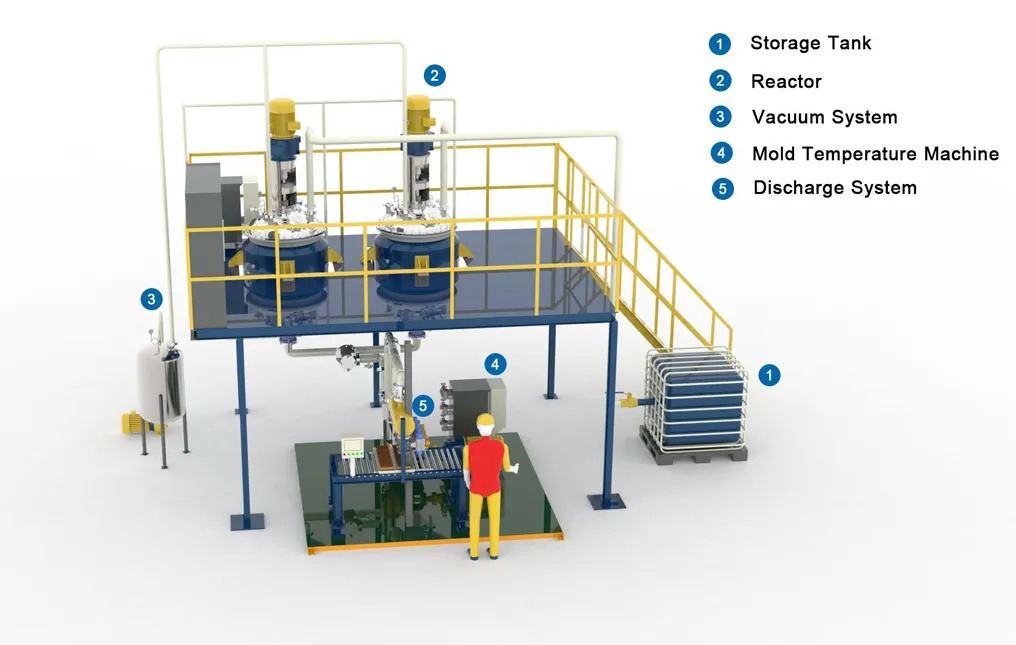
A bulk polyolefin hot melt glue production line produces polyolefin-based hot melt adhesive in solid block form — melted and mixed in a reactor, degassed, filtered, poured into molds, cooled, demolded and packed. JCT Machinery supplies complete bulk polyolefin hot melt glue production lines with an efficient reaction system, precise temperature control, vacuum degassing technology and modular design, for packaging, construction waterproofing, automotive, textile and electronics applications.
Polyolefin hot melt glue is a kind of hot melt glue with polyolefin resin as the main component. Polyolefin is a kind of polymer material formed by the polymerization of olefin monomers (such as ethylene, propylene, etc.). Due to its excellent performance, polyolefin hot melt glue is widely used in packaging, textiles, automobiles, electronics and other fields.
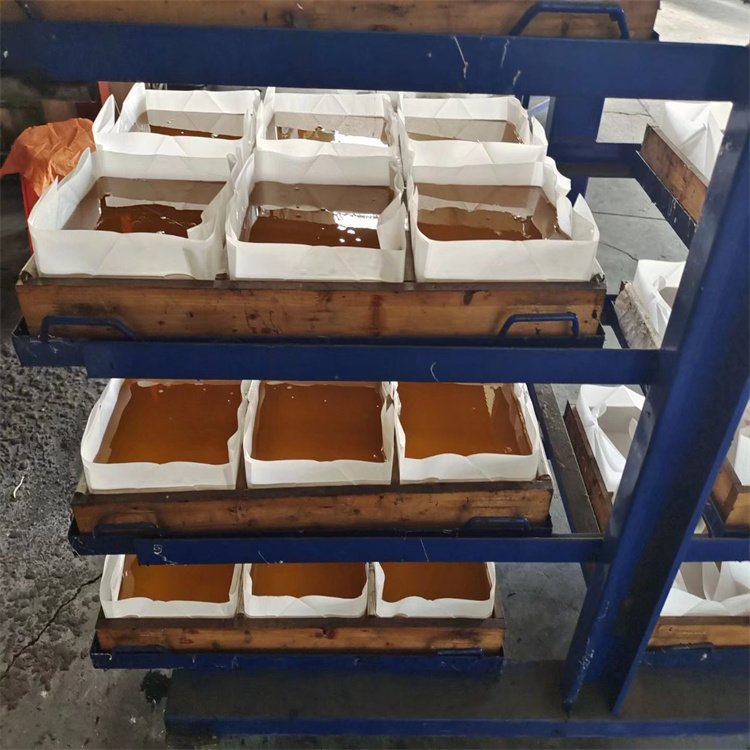
Bulk polyolefin hot melt glue is polyolefin hot melt glue supplied as solid blocks rather than granules or sticks. The molten glue is poured into molds, cooled and solidified, and then demolded into blocks. This form is concentrated in industrial thick coating scenarios, where large amounts of adhesive are applied at once and high-volume application matters more than automated dosing.
A complete bulk polyolefin hot melt glue production line from JCT Machinery typically includes the following units:
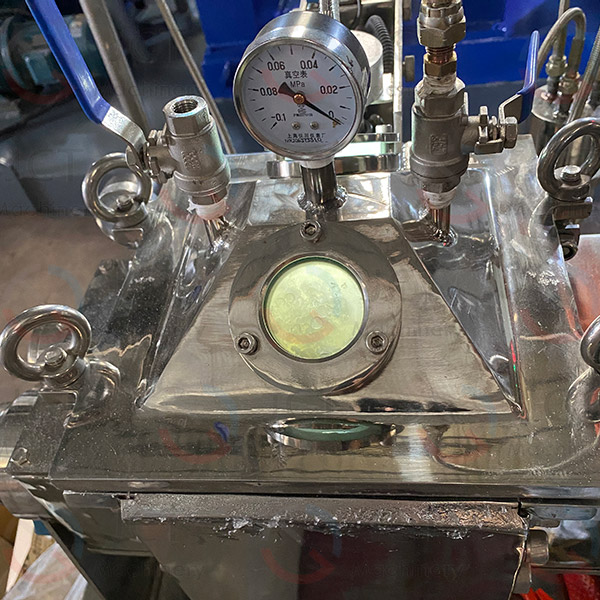
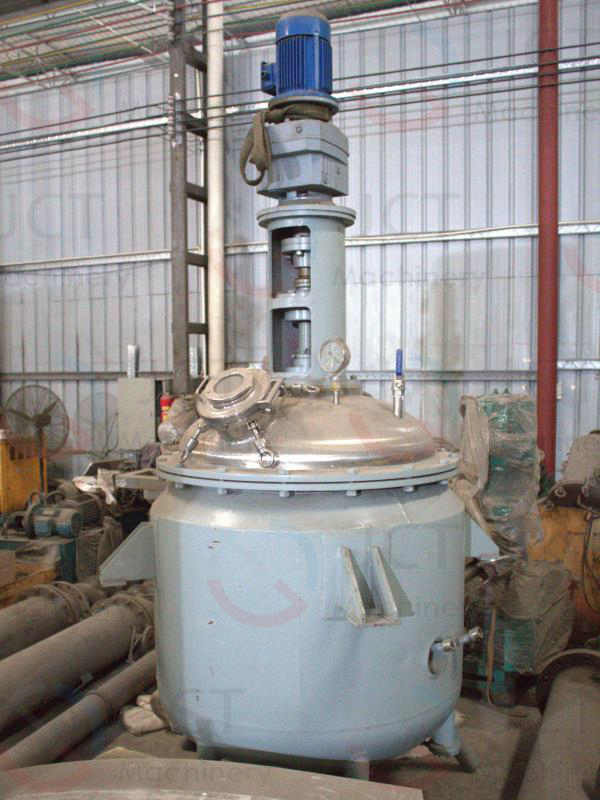
The reactor is responsible for controlling the temperature, pressure and mixing speed of the raw materials. The raw materials used to make bulk polyolefin hot melt glue typically include polyolefin resins (such as APAO, PB, PE, PP), tackifiers, plasticizers, antioxidants, fillers and waxes. These materials are added to the reactor in specific proportions and heated to a specific temperature to create a homogeneous mixture.
The reactor plays a vital role in the bulk polyolefin hot melt glue production line, as it ensures that the hot melt glue produced is of consistent quality and meets the desired specifications. The reactor also helps to eliminate any impurities or contaminants that may be present in the raw materials, ensuring that the final product is of high quality — and it directly determines the viscosity and homogeneity that the mold temperature machine and the discharge system depend on.
Reactor specification available from JCT Machinery:
|
Capacity |
Heating System |
Mixing System |
Pressure Control |
Operating Temperature |
Operating Pressure |
|
500 L |
Jacketed vessel with hot oil heating medium |
Mechanical agitator |
Pressure relief valve |
Up to 200 °C |
Up to 1.6 MPa |
|
1000 L |
Jacketed vessel with electric / oil heating medium |
Mechanical agitator |
Pressure relief valve |
Up to 200 °C |
Up to 1.6 MPa |
|
5000 L |
Jacketed vessel with electric / oil heating medium |
Mechanical agitator |
Pressure relief valve |
Up to 200 °C |
Up to 1.6 MPa |
|
10 T |
Jacketed vessel with electric / oil heating medium |
Mechanical agitator |
Pressure relief valve |
Up to 200 °C |
Up to 1.6 MPa |
|
Ingredients |
Functions |
|
Polyolefin resins (such as APAO, PB, PE, PP) |
Main ingredients, determine the performance of the glue |
|
Tackifiers (such as C5 / C9 petroleum resin, terpene resin) |
Improve bonding strength and wettability |
|
Plasticizers (such as mineral oil, EVA) |
Adjust viscosity and improve fluidity |
|
Antioxidants (such as 1010, 168) |
Prevent high temperature degradation and extend life |
|
Fillers (such as calcium carbonate, talc) |
Reduce costs and adjust performance |
|
Wax (such as Fischer-Tropsch wax, microcrystalline wax) |
Reduce melt viscosity and improve wettability |
The reactor and the downstream units of the bulk polyolefin hot melt glue production line are configured around this formula, so the same line can run different recipes without changing the overall process flow.
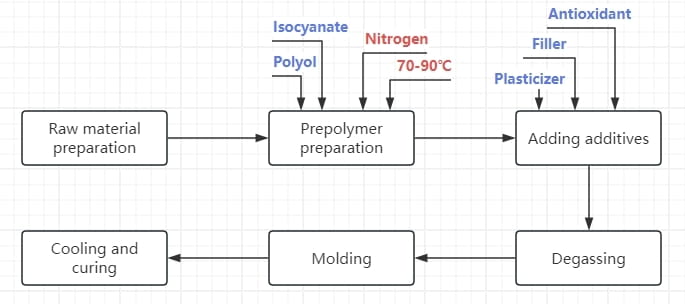
Bulk polyolefin hot melt glue is in great demand in the Middle East and Africa and can be used in the building waterproofing industry.
In the polyolefin hot melt glue market, granules are in the largest demand (especially in the field of automated packaging), followed by sticks (manual and small-scale applications), and bulks are concentrated in industrial thick coating scenarios. Hot melt glue manufacturers can prioritize the layout of a granular production line, while using modular design to accommodate multi-shape production and cover a wider customer base.
For more information, contact JCT at your convenience.
Q: What is a bulk polyolefin hot melt glue production line?
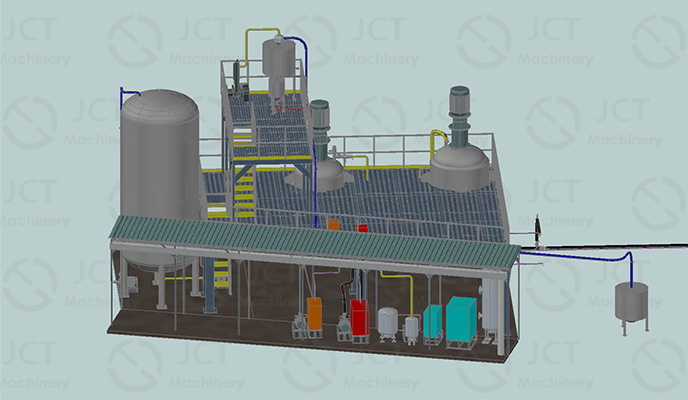
A: It is a production line that melts, mixes, degasses and filters polyolefin hot melt glue in a reactor, then pours the melt into molds, cools and solidifies it, and demolds the adhesive into solid blocks. A typical configuration includes a storage tank, a reactor, a vacuum system, a mold temperature machine and a discharge system.
Q: What is the function of the reactor in a bulk polyolefin hot melt glue production line?
A: The reactor controls the temperature, pressure and mixing speed of the raw materials. It melts and mixes polyolefin resins such as APAO, PB, PE and PP with tackifiers, plasticizers, antioxidants, fillers and waxes into a homogeneous mixture, removes impurities and contaminants, and determines the viscosity used by the downstream molding and discharge stages.
Q: What capacity of reactor is available for a bulk polyolefin hot melt glue production line?
A: JCT Machinery offers 500 L, 1000 L, 5000 L and 10 T reactors, all jacketed vessels with a mechanical agitator, pressure relief valve, operating temperature up to 200 °C and operating pressure up to 1.6 MPa.
Q: What is the difference between bulk, granular and stick polyolefin hot melt glue?
A: All three start from the same polyolefin hot melt glue formula and the same reactor melting process. The difference is the delivery form: granules are cut underwater, dried and screened for automated packaging; sticks are cast for manual and small-scale applications; bulk blocks are poured into molds and demolded, and are concentrated in industrial thick coating scenarios.
Q: Where is bulk polyolefin hot melt glue mainly used?
A: Bulk polyolefin hot melt glue is in great demand in the Middle East and Africa and is used in the building waterproofing industry, as well as in industrial thick coating applications.
Looking for a reliable bulk polyolefin hot melt glue production line, or the right reactor capacity for your block size and output? Contact JCT Machinery and tell us your formula, output and block dimension requirement — our engineers will recommend the equipment configuration and provide a free quotation.
 Other Products You May Like
Please provide your requested item product name and request details as like box style, material, dimensions, color and logo request, we can help to find out best packing solution.
24-hour service hotline

Tel: +86 18138373963
Add: Donglian Jincheng Industrial Zone, Danzao Town, Nanhai District, Foshan City, Guangdong Province, China