Best Hot Melt Glue Production Line Equipment Manufacturer
Tel: +8618138373963 | jctmixing@outlook.com

 JCT
JCT  2026-10-14


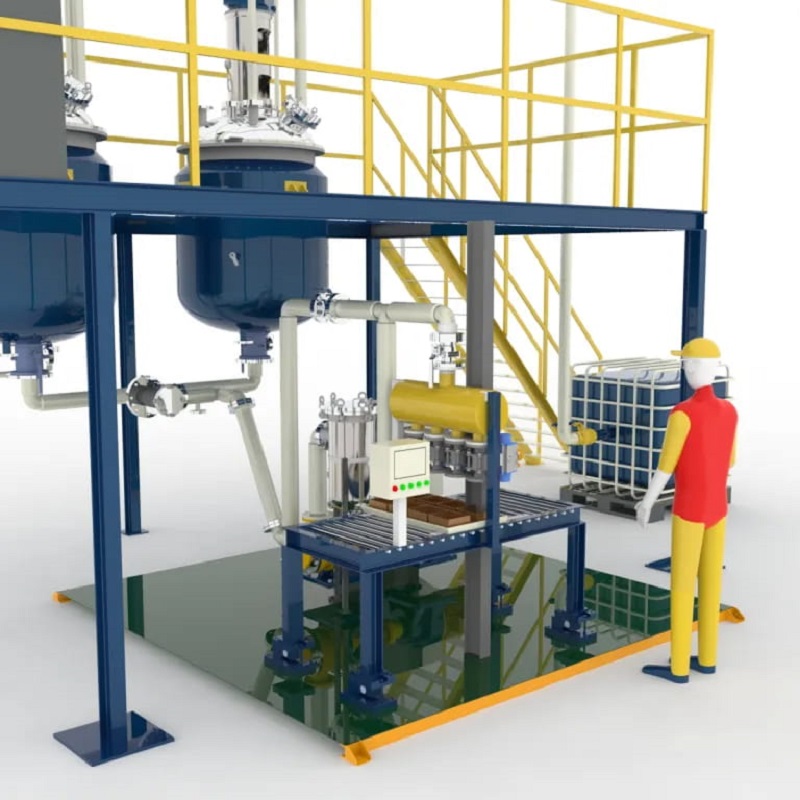
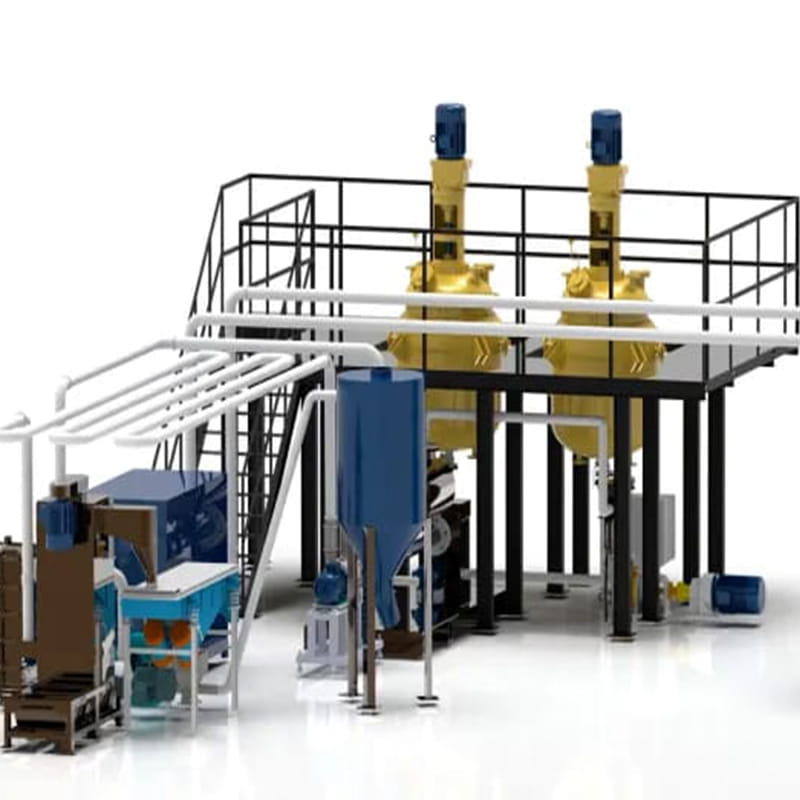
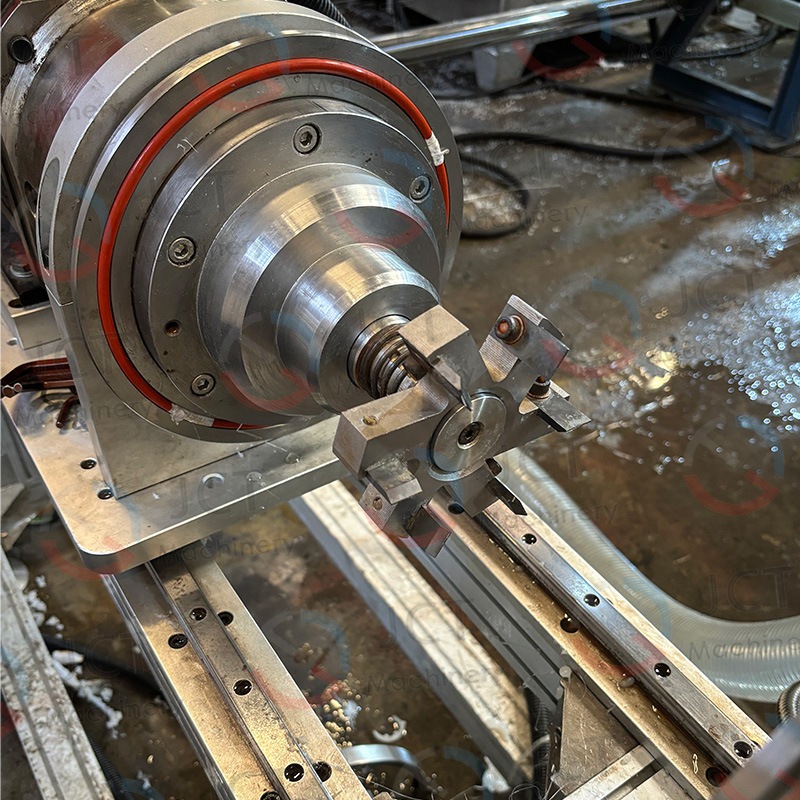
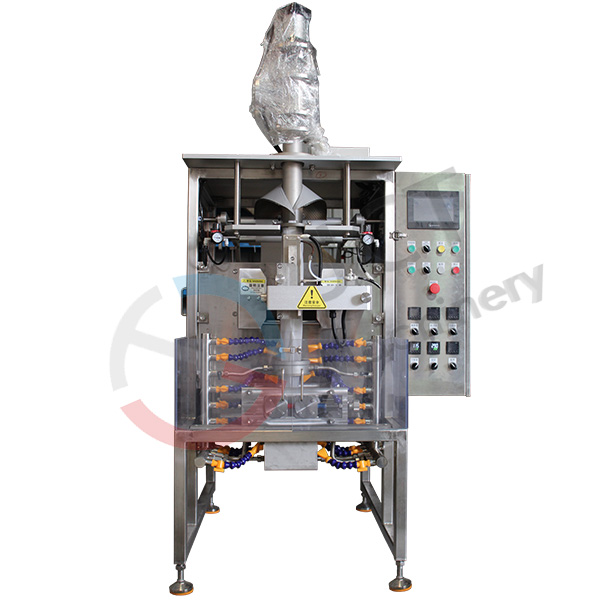
Reactor is suitable for producing various hot melt glue rods, with excellent mixing results. Hot melt glue production line includes a spare reactor in the reaction section for continuous production; the cooling section uses water cooling; the extruder features fully automatic temperature control, frequency conversion speed regulation, replaceable die head, uniform rod output, and automatic cutting. The product is bright, uniform, and has good transparency, with high production volume.
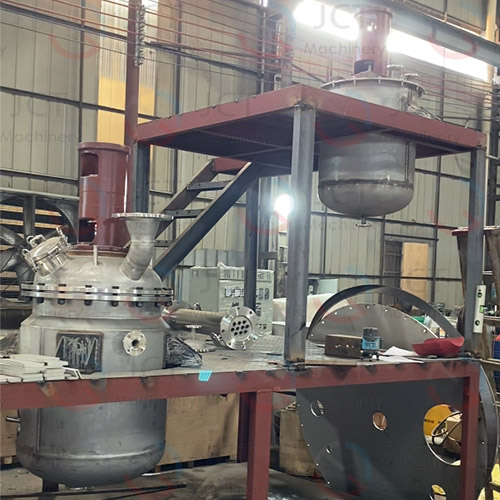
Electric heating reactor is widely used in industries such as chemical, pharmaceutical, building materials, resin, pigment, and food. It features rapid heating, high temperature resistance, corrosion resistance, hygiene, no environmental, pollution, no boiler required, automatic heating, and ease of use.
Due to varying production processes and operating conditions, the number of openings, jacketed heating method, specifications, and other requirements of the reactor can be designed and manufactured according to user specifications.
| Design pressure | Atmospheric or pressurized |
| Material | Stainless steel, carbon steel |
| Heating method | Jacketed heat carrier electric heating, external half-pipe steam heating, external half-pipe heat transfer oil heating, hot water heating, infrared heating |
| Cooling method | Jacketed or internal coil refrigerant cooling |
| Agitator power | Selection based on material viscosity, liquid-to-solid ratio, liquid specific gravity, solid specific gravity, solid particle size, rotational speed, impeller type, presence or absence of fixed baffles or internal coils, etc. |
| Impeller blade shape | Anchor type, frame type, flat impeller type, inclined impeller type, ribbon type, turbine type, propeller type, or a combination of multiple types are also possible |
| Shaft seal | Mechanical seal or packing seal |
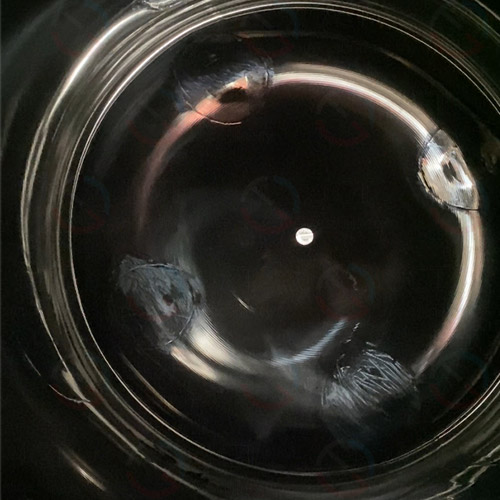
| Inner surface treatment | Mirror polished |
| Discharge valve | Flanged ball valve, top/bottom expansion valve, or other valves |
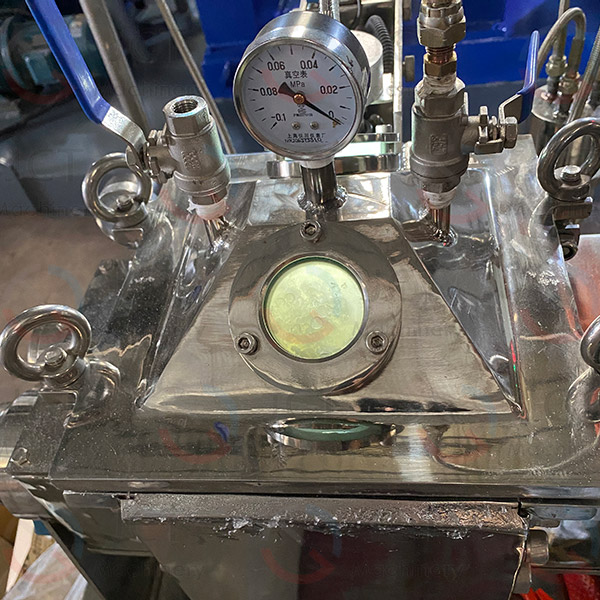
| Process pipe opening | Manhole, sight glass, distillation port, material inlet, pressure gauge port, temperature measuring port, N2 charging port, discharge port, heat carrier inlet, coolant inlet/outlet, temperature measuring port, sampling port, vent port; the above may be added or removed according to process requirements |
24-hour service hotline

Tel: +86 18138373963
Add: Donglian Jincheng Industrial Zone, Danzao Town, Nanhai District, Foshan City, Guangdong Province, China