Best Hot Melt Glue Production Line Equipment Manufacturer
Tel: +8618138373963 | jctmixing@outlook.com

 JCT
JCT  2026-10-14


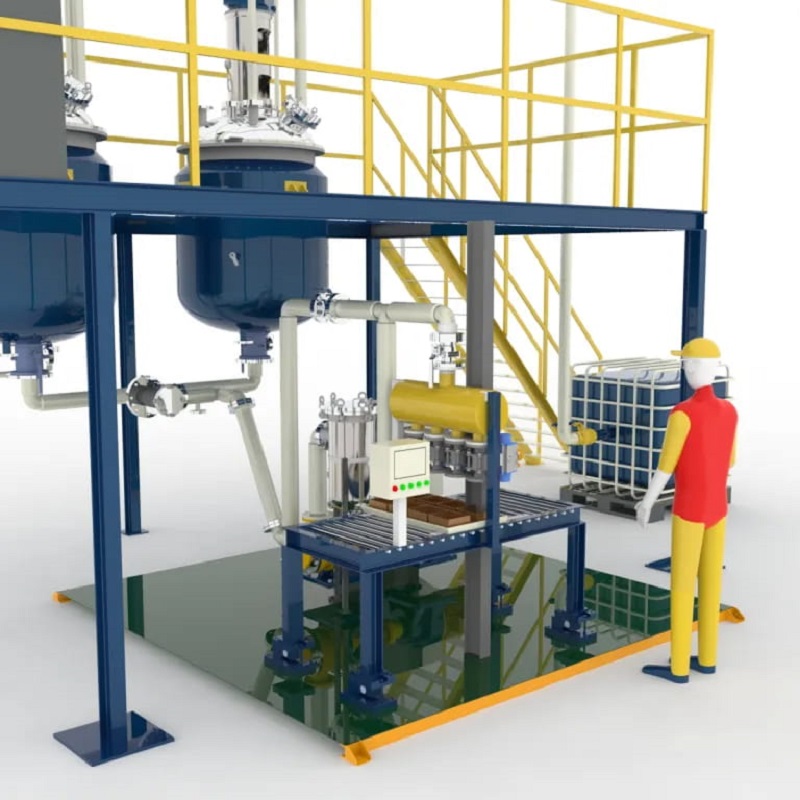
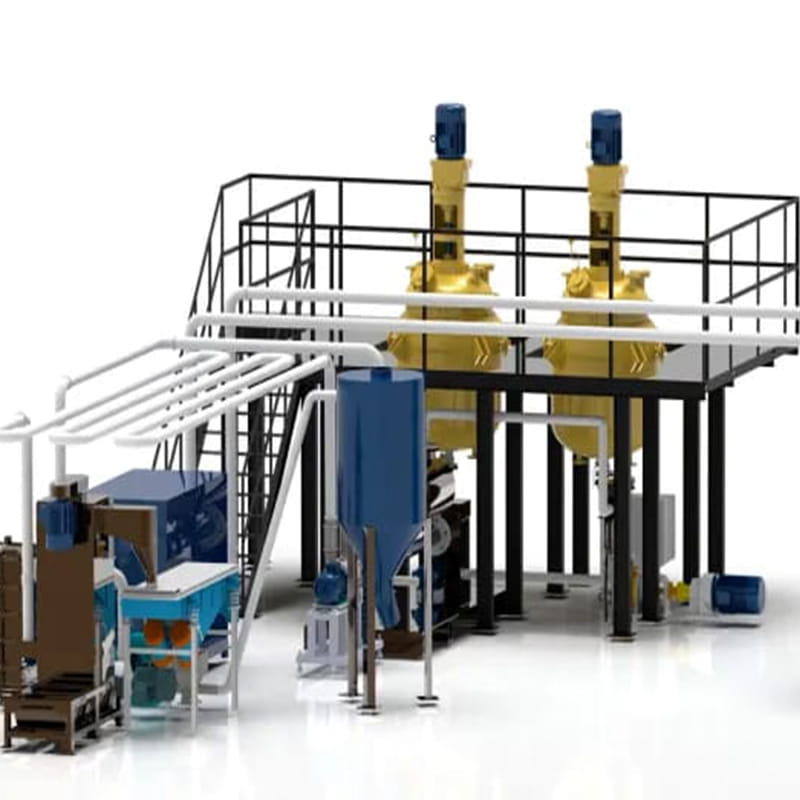
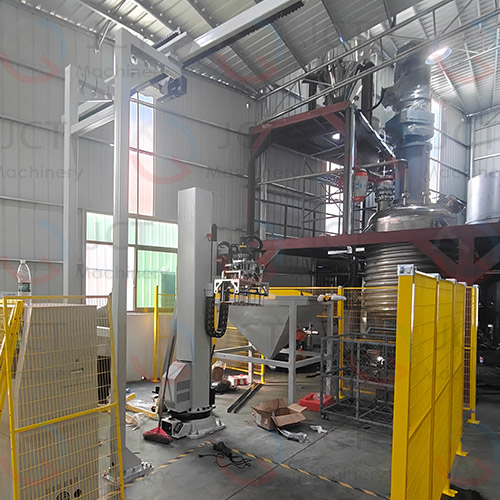
Method: Material silo→gravity/weighing feeding→vacuum/pneumatic conveying to the reactor.
Benefits: High formula consistency, reduced dust and manual labor; improved feeding speed and batch stability.
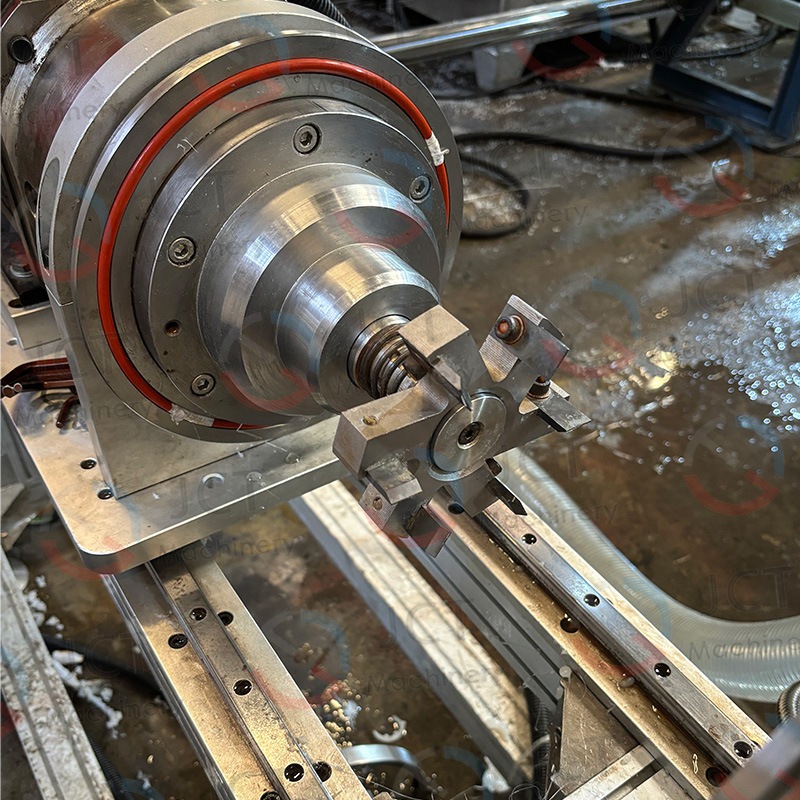
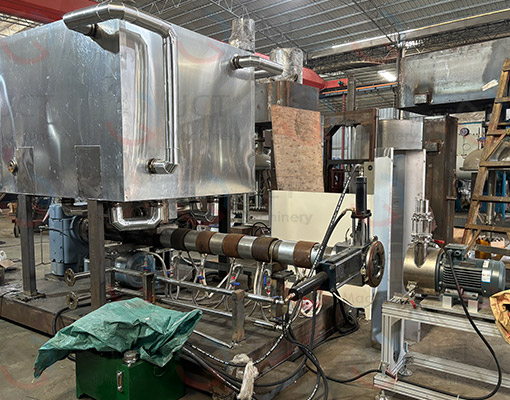
Method: Connecting continuous extrusion, cooling and pellerizing/block cutting systems after kneading/melting. Screw extrusion or roller pressing+cutting can be used.
Benefits: More stable production capacity, reduced downtime for line changes, and lower unit energy consumption.
Method: Using layered cooling or vertical cooling tunnels.
Benefits: Achieving equivalent cooling capacity when factory space is limited.
Method: Install an online viscosity or flow sensor at the discharge port, lined to a PLC.
Benefits: Real-time detection of formula deviations or temperature anomalies, ensuring batch consistency.
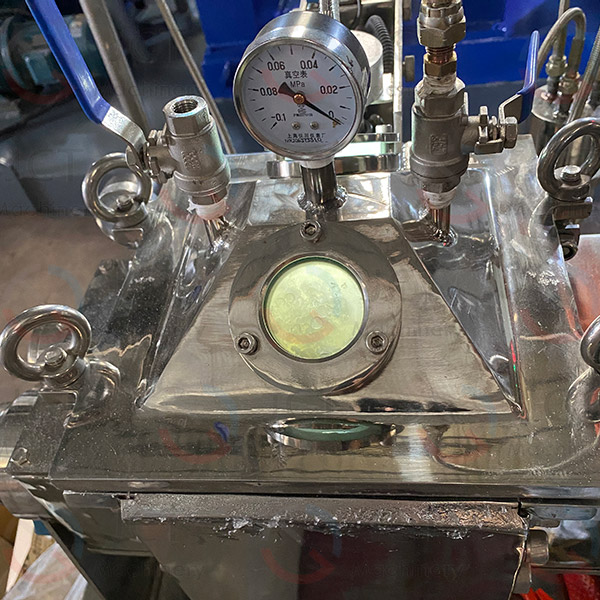
Method: Utilize a vacuum reactor or vacuum chamber degassing system during the mixing/heating stage.
Benefits: Reduces product defects caused by air bubbles and extends product shelf life.
Method: Multi-point temperature acquisition and zoned control of reactor, and segmented control of the heating/cooling jacket.
Benefits: Prevents localized overheating or charring, improving product color and performance.
Method: Recover cooling water or jacket heat dissipation and reuse it for preheating or plant heating through heat exchangers.
Benefits: Reduces energy consumption and operating costs.
Method: Utilize closed systems, steam recovery, and solvent recovery devices (if the process involves solvents). Prioritize the use of low-solvent/solvent-free formulations.
Benefits: Improves workshop safety, reduces emimssions, and meets regulatory requirements.
Method: Use variable frequency drives with PID control for key motors (pumps, mixers, motors).
Benefits: Improves energy efficiency and extends equipment lifespan.
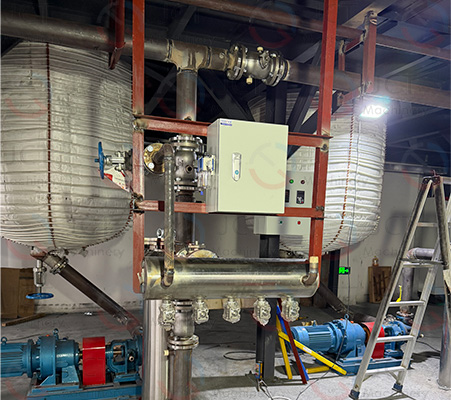
Method: Explosion-proof motors, explosion-proof electrical control boxes, grounding, anti-static conveying.
Benefits: Reduces fire/explosion risk, complies with local regulations.
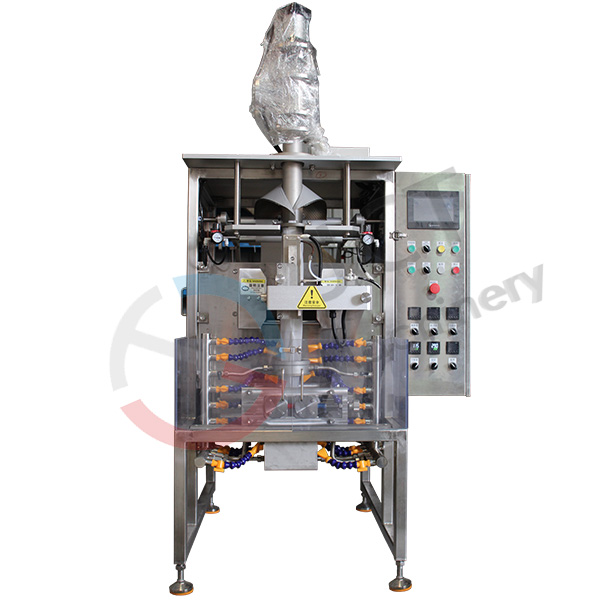
Method: Select the most suitable discharge method for different viscosity materials and configure CIP/offline cleaning.
Benefits: Improves formula change efficiency and reduces downtime.
Method: Key workstations (heating zone, filling zone) are equipped with gas detection, automatic shut-off, and sprinkler/fire extinguishing systems.
Benefits: Enhances personnel and plant safety.
If you are interested in set up a new hot melt glue production line or upgrade the original one, feel free to chat with JCT: +86-18138373963 (Whatsapp, Wechat) or jctmixing@outlook.com.
24-hour service hotline

Tel: +86 18138373963
Add: Donglian Jincheng Industrial Zone, Danzao Town, Nanhai District, Foshan City, Guangdong Province, China